


Bangkok, 18 August 2026 – The Tourism Authority of Thailand (TAT) is strengthening its 2026 strategy designed around consumer travel interests across eastern, western and northern China. Led by TAT offices in Shanghai, Chengdu and Beijing, this localised approach targets high-value travellers while highlighting fresh travel itineraries and spreading economic benefits to more emerging Thai destinations.
Ms. Thapanee Kiatphaibool, TAT Governor, said, “Chinese travellers are becoming more diverse in how they choose destinations and experiences. TAT is responding with a more focused regional strategy that matches Thailand’s tourism strengths with the interests of each market. Wellness, sport, culture, communities and emerging destinations are central to this approach, helping us attract quality visitors while spreading tourism value more widely across the country.”
In eastern China, TAT’s Shanghai Office is targeting premium travellers through wellness and experiential tourism. Under “Healing Is the New Luxury”, TAT is working with LANN Space, a Chinese mindfulness and holistic wellness platform, and leading online travel agency Tuniu.com to promote restorative travel experiences in Saraburi and Khao Yai.
The campaign is supported by Key Opinion Leaders, positioning Thailand as a destination for physical, emotional and mental well-being. TAT is also reinforcing the aspirational “Amazing Thailand, The Journey Your Heart Leads” brand through over 2,500 promotional video screenings at five leading cinemas in Shanghai during summer, driving future travel and strengthening Thailand’s image as a quality tourism destination.
In Jiangsu, TAT has extended its reach through a live Nanjing International Television program, presenting experiential tourism and destinations around Rayong and Hua Hin to over five million viewers.
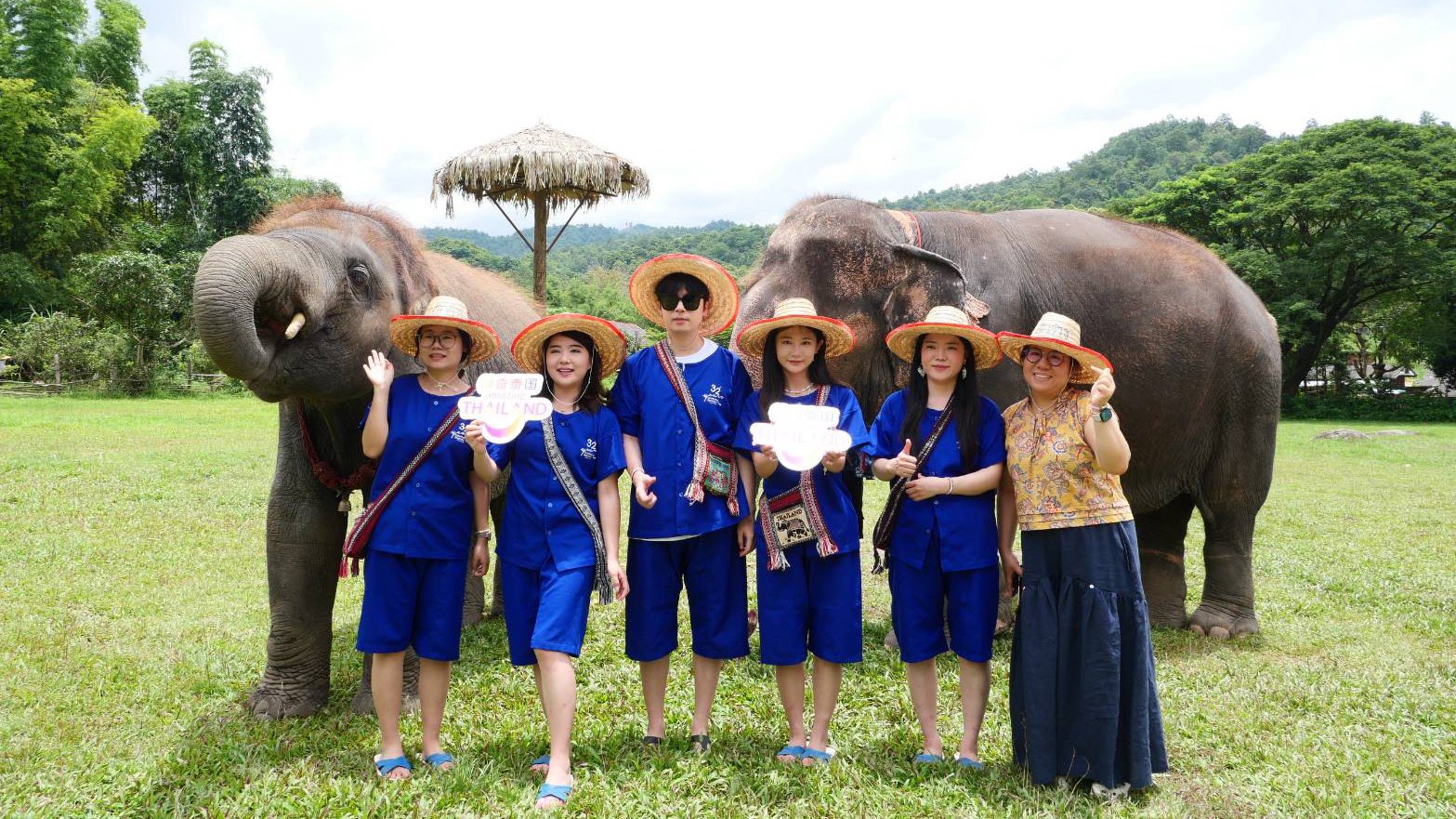
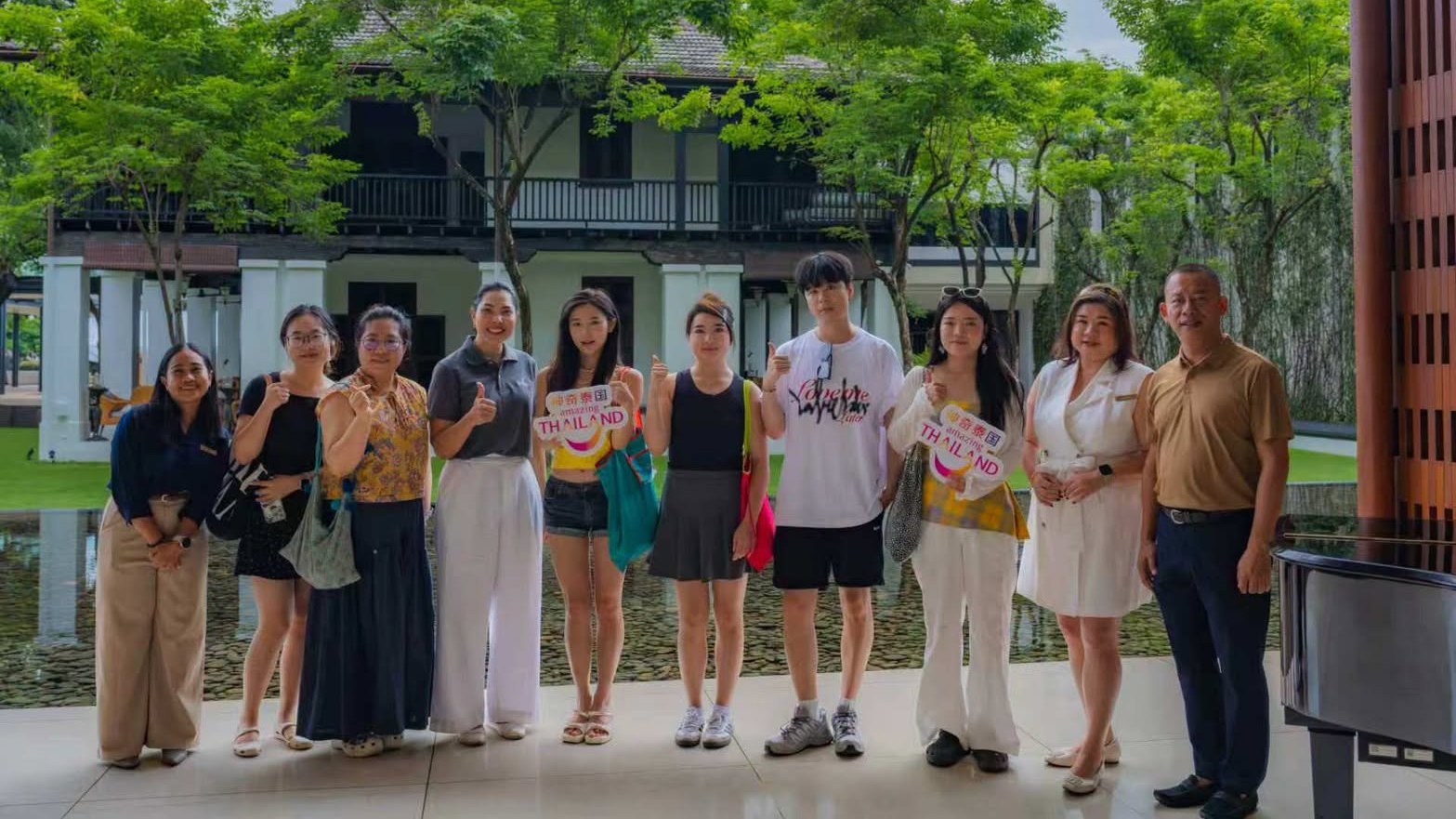
In western China, TAT’s Chengdu Office is focusing on sport tourism and creator-led content. Together with Zx-tour, a Chinese sports travel company specialising in marathon packages including international running trips, TAT organised an “Offline Sharing Session for Amazing Thailand Marathons” in Chengdu to engage fitness enthusiasts from Sichuan and Chongqing. This helped promote marathon and running events in Sukhothai, Kamphaeng Phet, Buri Ram, Hua Hin and Songkhla. While TAT also hosted Chinese content creators on a fam trip to Chiang Mai (extended into Chiang Rai) for community experiences, with the initiative supporting future direct flights linking western China to northern Thailand.
In northern China, TAT’s Beijing Office is targeting families for summer holidays while capturing demand in secondary provincial markets. In Changchun, TAT and major tourism partners in Jilin Province staged “Cool Summer Breeze: Long-Lasting Friendship Between Jilin and Thailand” showcasing Thai culture and soft power through Songkran-themed activities, Thai cuisine, handcrafts and contemporary performances.
The event attracted more than 80,000 participants, alongside a seven per cent increase from 2025 in direct airline seat capacity between Jilin Province and Thailand, supporting further travel demand from northeastern China.
Together, the campaigns demonstrate TAT’s targeted approach to China, with wellness and experiential travel prioritised in the east, sport and lifestyle travel in the west, and family travel and Thai culture in the north. Across all three regions, TAT links consumer interests with Thailand’s wider range of destinations and tourism products.
China remains Thailand’s largest international source market, delivering 3,149,889 arrivals from 1 January to 5 August 2026. Backed by the quality-focused “Trusted Thailand” initiative, which reinforces safety, service quality and visitor assurance across the tourism experience, TAT expects Chinese arrivals to exceed five million for 2026, underlining the market’s continuing importance in both visitor volume and expenditure.
TAT continues to strengthen its established Chinese visitor base while expanding high-value segments that drive tourism revenue, regional distribution and long-term competitiveness. The strategy is designed to generate wider benefits for local hotels, restaurants, transport and retail sectors.