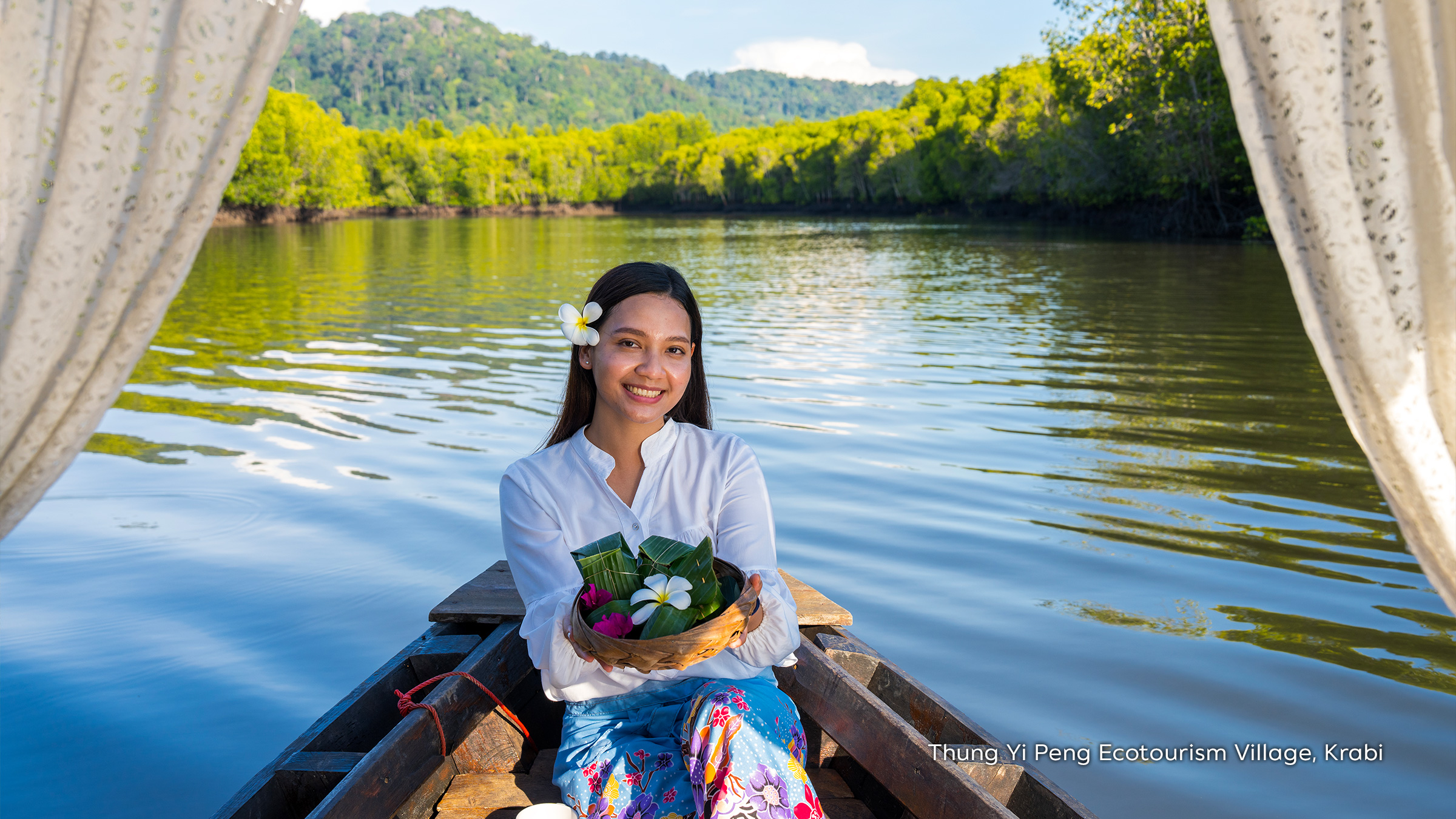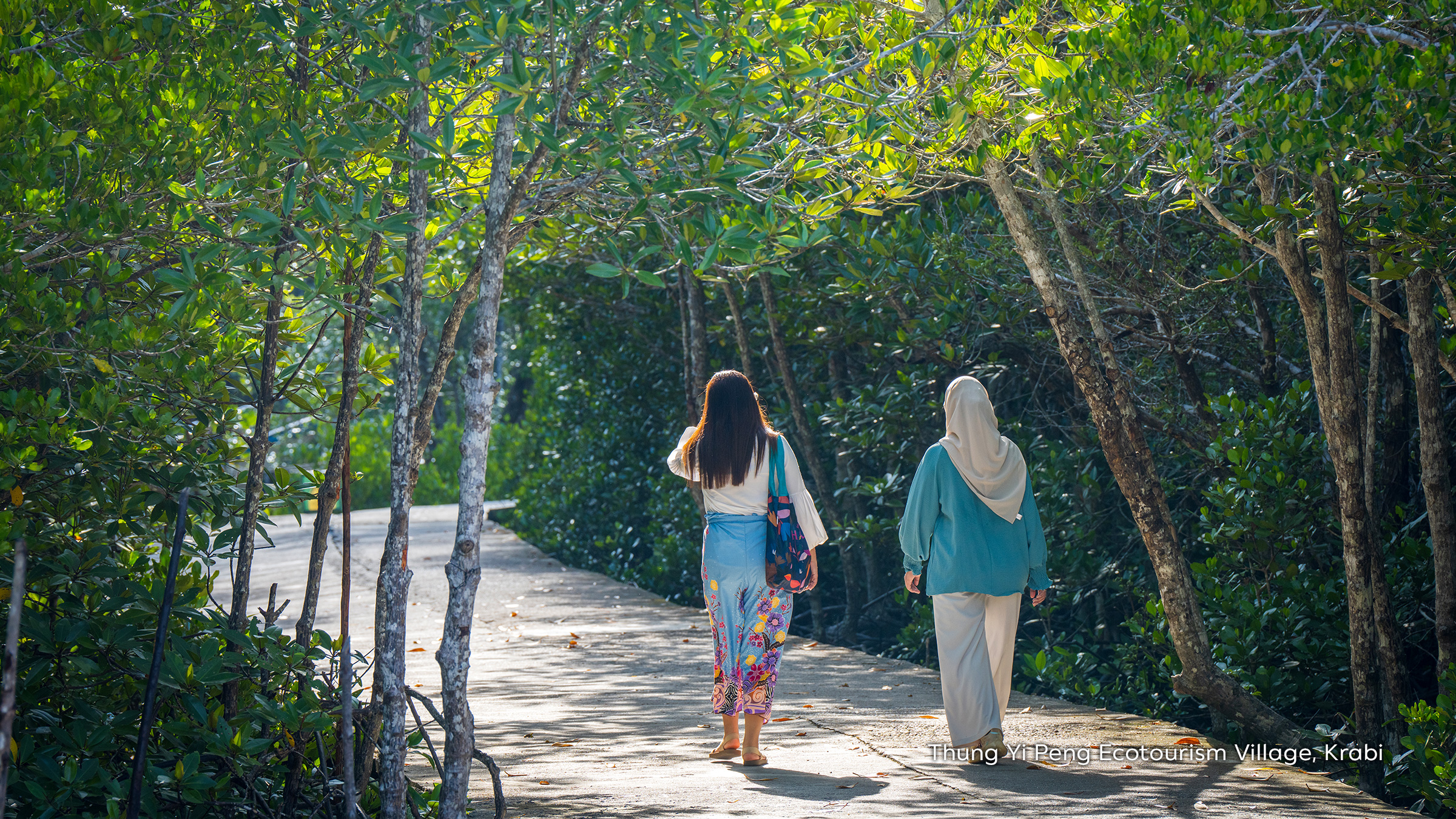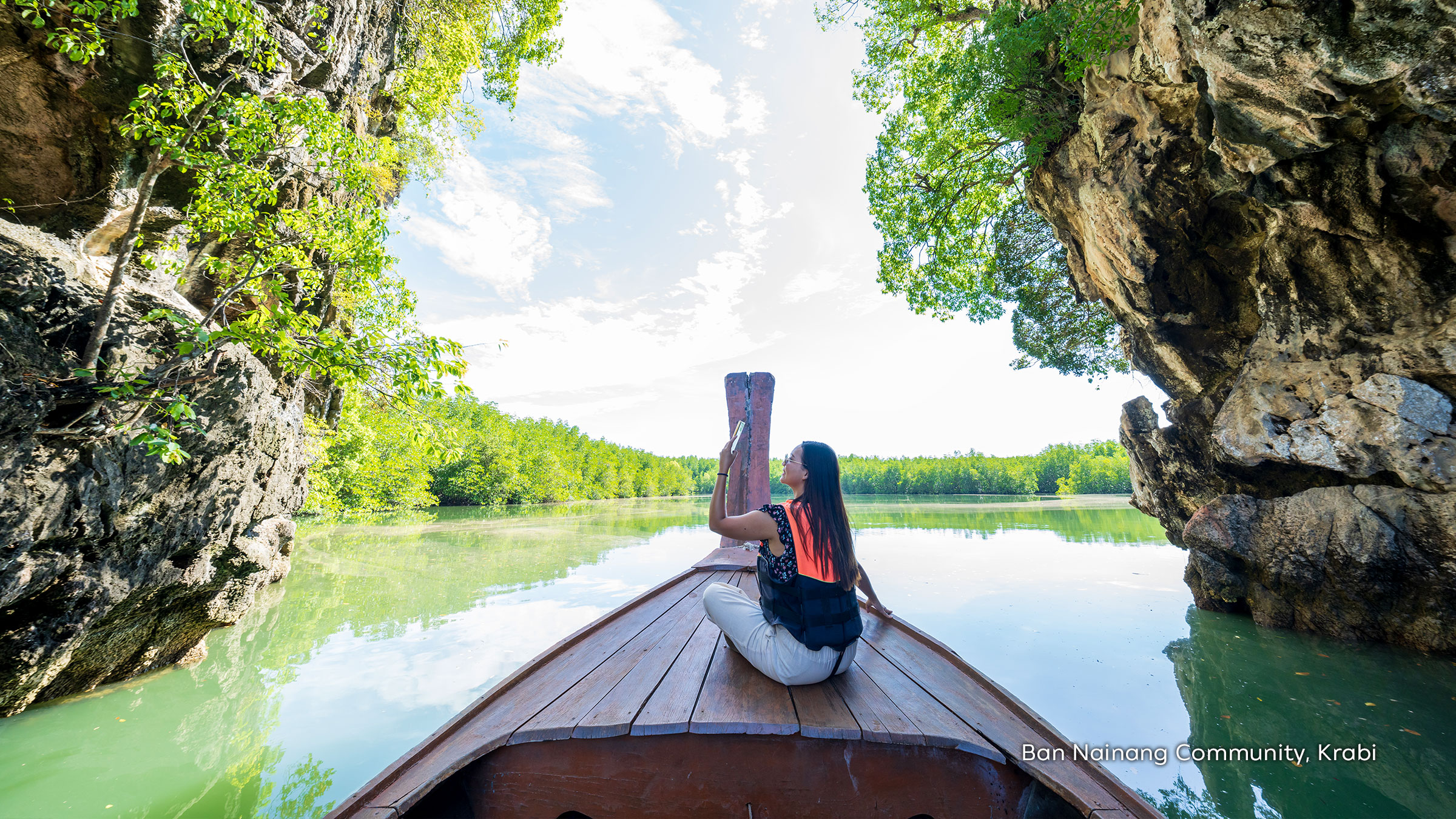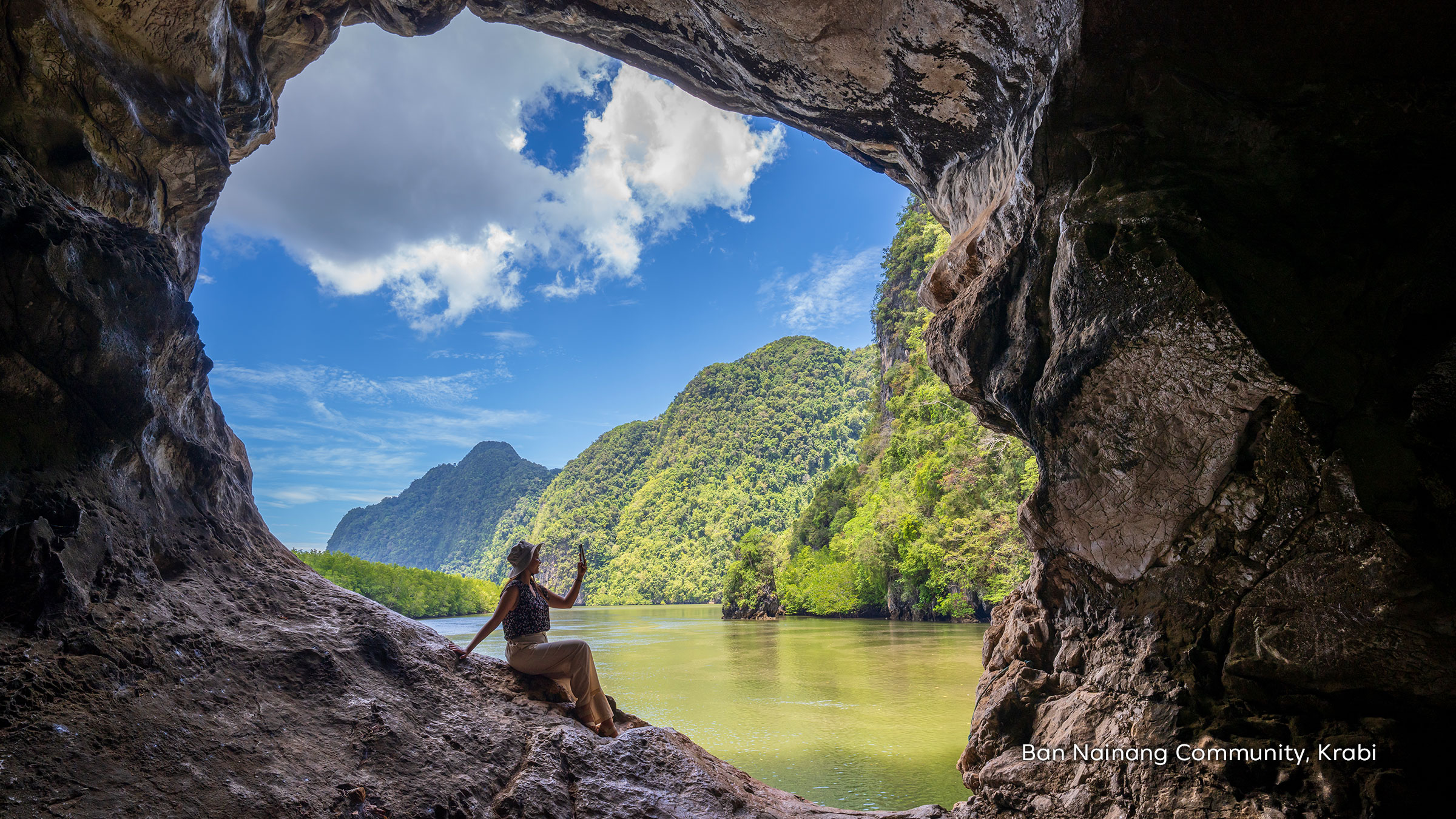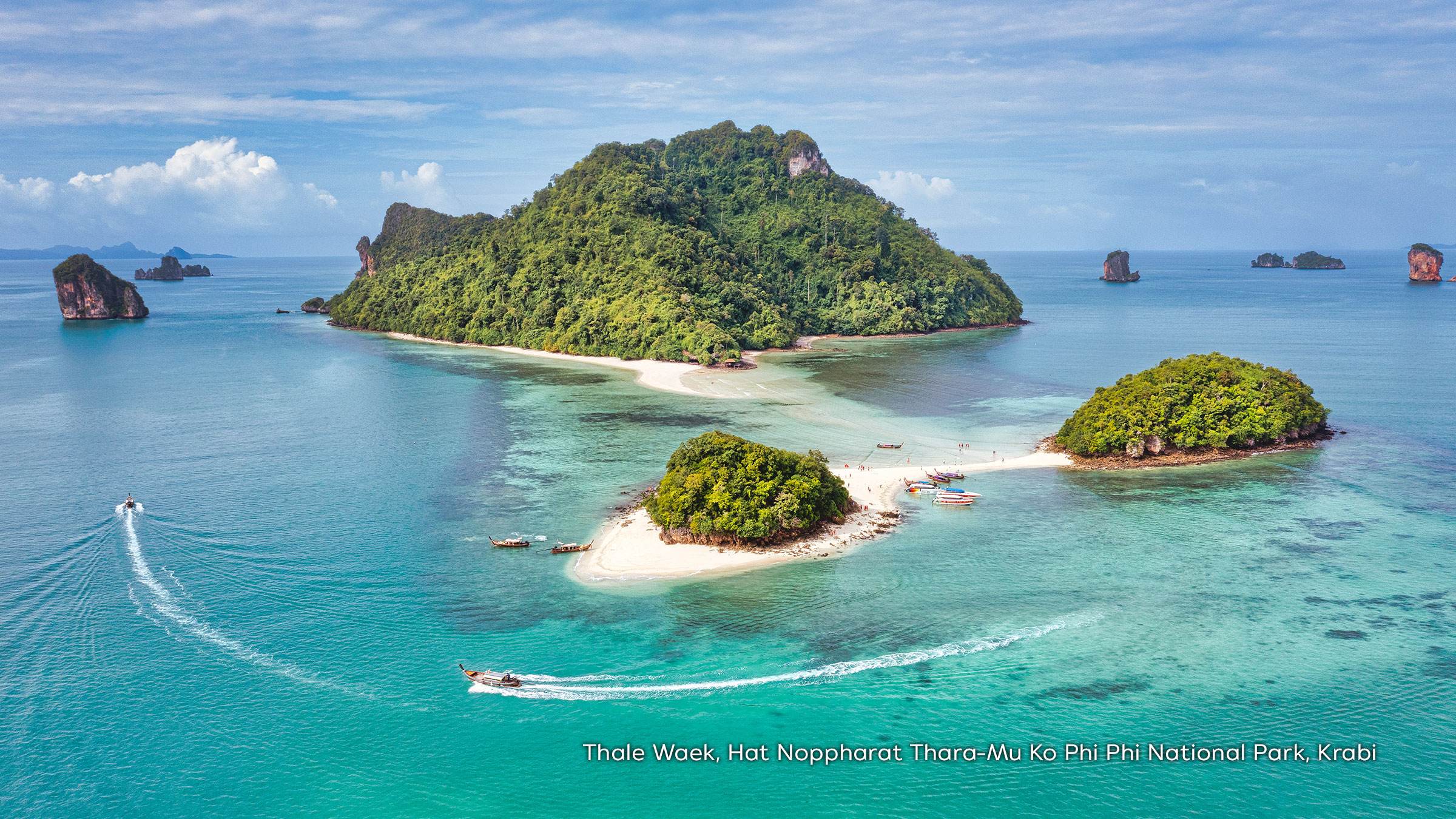


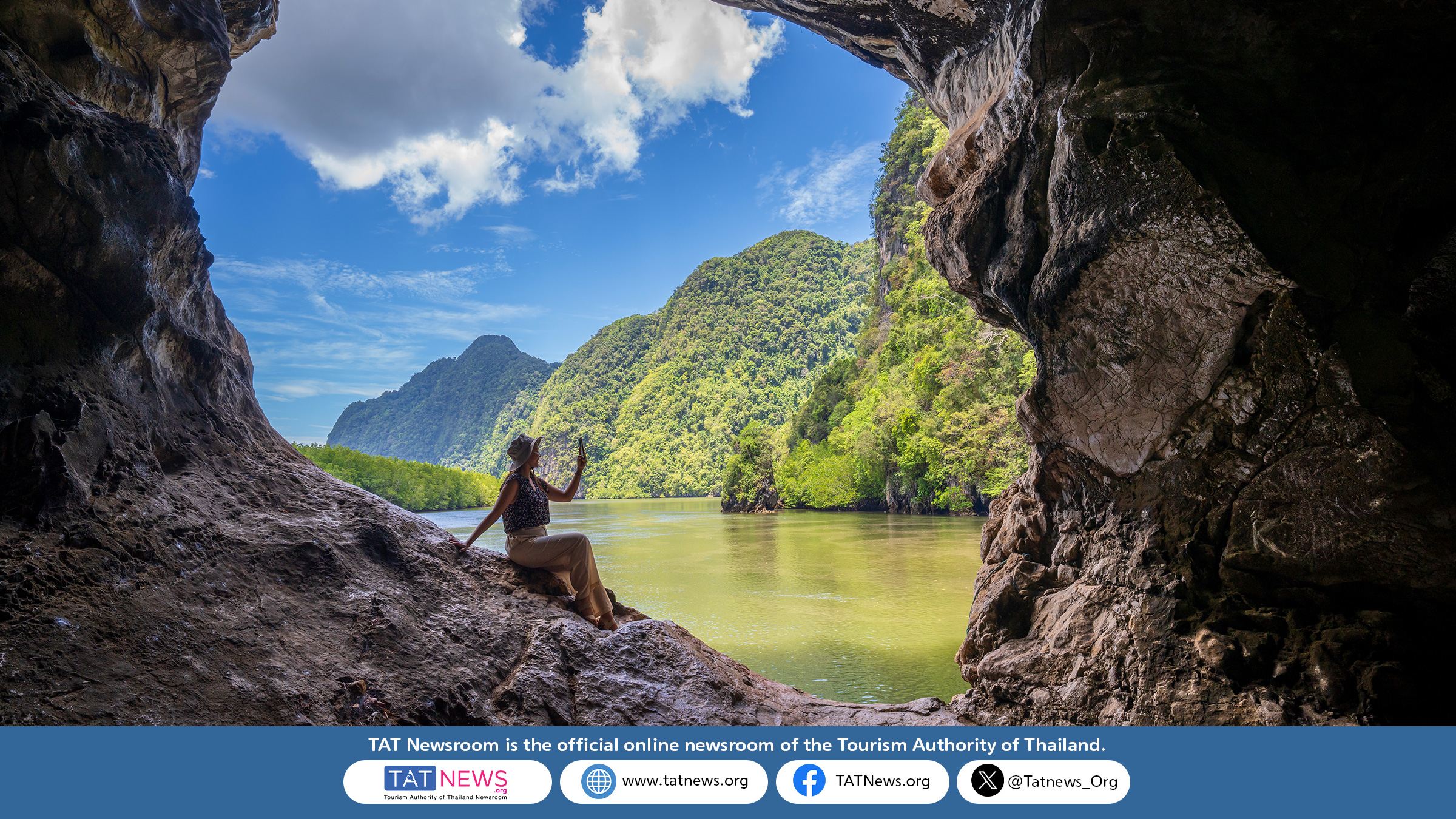
Along the Andaman coast, where limestone cliffs rise straight out of turquoise water and mangrove channels thread through quiet fishing villages, Krabi has become something more than a postcard destination. It is now Thailand’s proving ground for a new kind of travel — one where conservation, community, and wellbeing matter as much as scenery. This is the Krabi Prototype, the Tourism Authority of Thailand’s (TAT) flagship sustainable tourism model, quietly reshaping what a holiday in Thailand can mean.
A Living Model, Not Just a Plan
Krabi was chosen for a reason. Home to Maya Bay, the Phi Phi Islands, Railay Beach, and a landscape of karst mountains and hot springs, it is already one of Thailand’s most recognizable destinations. TAT saw an opportunity to turn that fame into a working demonstration of responsible tourism, built through close collaboration with local stakeholders rather than imposed from above. TAT Governor Thapanee Kiatphaibool has described Krabi as representing the balance the country wants to achieve nationwide: protecting natural beauty and local culture while ensuring communities genuinely benefit from visitors.
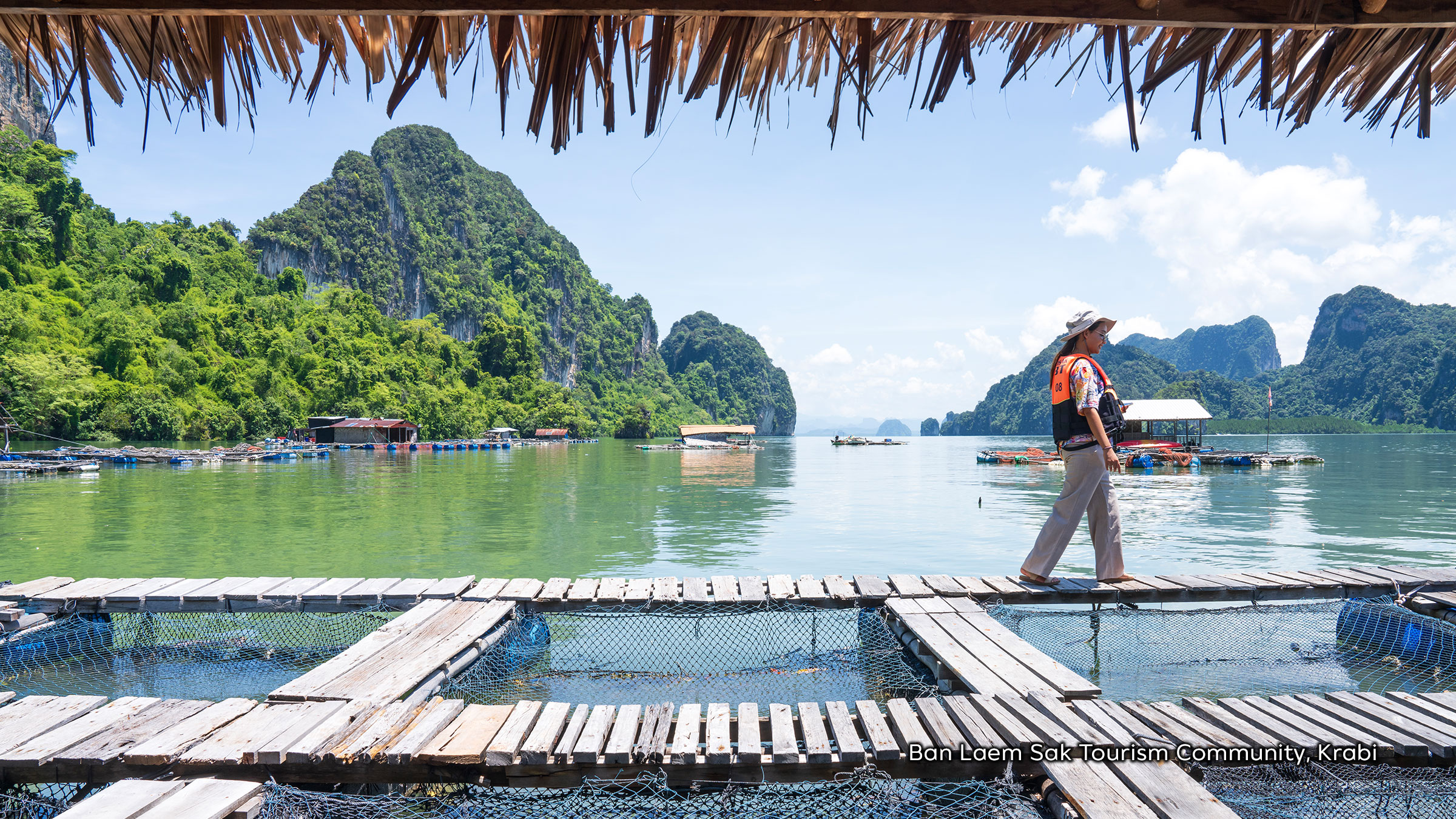
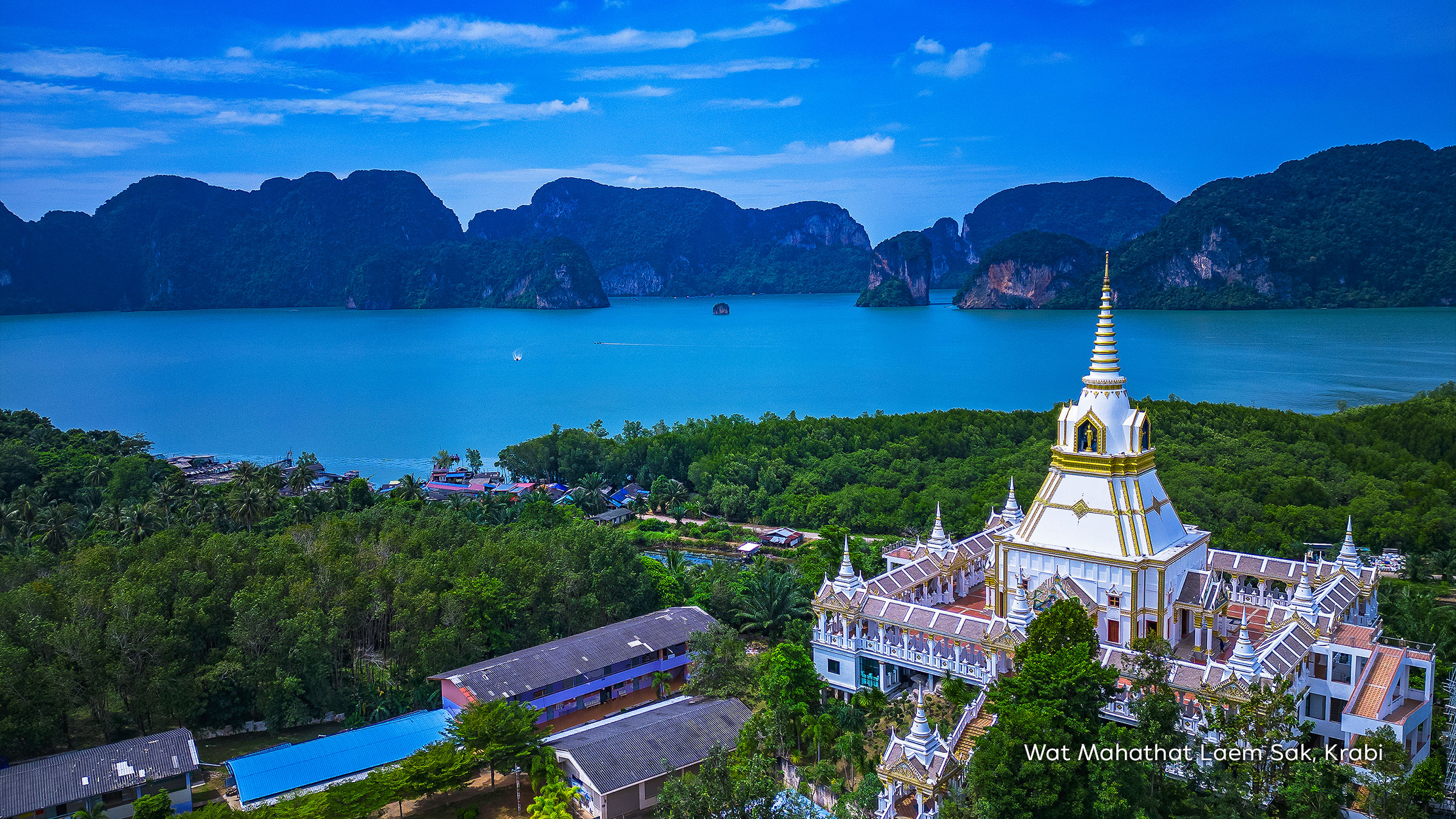
That philosophy came into sharp focus in September 2025, when Krabi and Bangkok co-hosted the Global Meaningful Travel Summit with the non-profit Tourism Cares, the first time the event has been held in Southeast Asia. More than 40 international travel executives, airlines, and tour operators visited communities like Laem Sak and Ban Nai Nang to see grassroots sustainability in action: household waste-management systems, traditional handicrafts kept alive by local artisans, and community-led tours where residents, not outside operators, decide how visitors experience their home.
Achievements Worth Noting
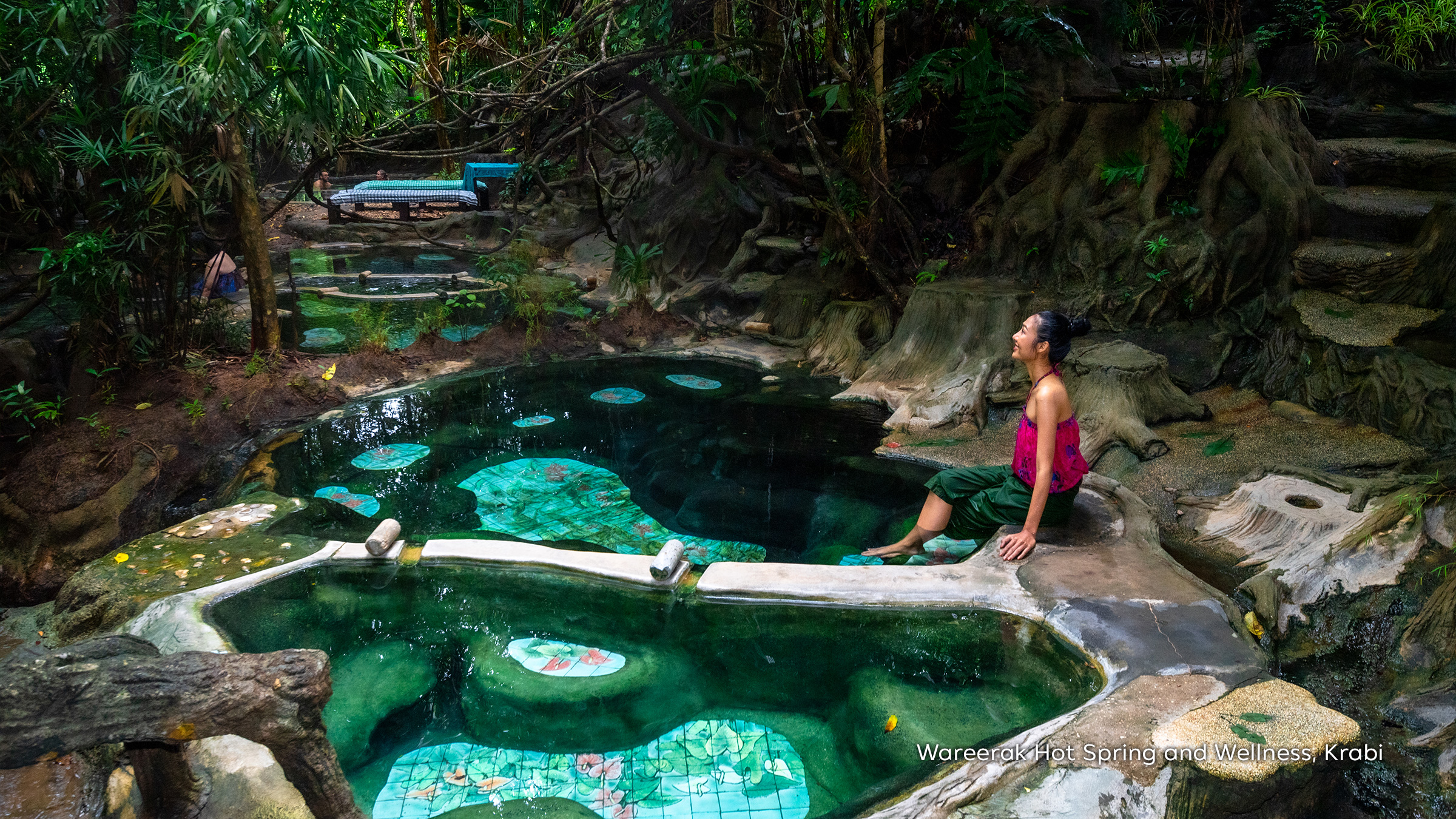
The results are tangible. Khlong Thom Hot Springs earned a spot on the Green Destinations Top 100 Stories list in 2023, recognition for its conservation-minded approach to a naturally occurring wellness site. Through the Meaningful Travel Map of Thailand, more than 45 tourism organizations, including eleven Krabi-based operators, are now connected to a global network of responsible travel businesses. Local operators are also being guided toward national sustainability benchmarks such as the STGs STAR and CF-Hotels certification, alongside international recognition through Green Destinations. It’s a framework designed to scale: Krabi as the prototype, with lessons applied to tourism development across the rest of Thailand.
Where Healing Meets the Landscape
The Krabi Prototype arrives at a moment when TAT is also reframing what luxury means altogether, under the banner “Healing is the New Luxury.” The campaign argues that true indulgence today isn’t about excess, but about restoration: quiet, nature-based experiences that calm the mind as much as they please the eye. Krabi, almost by accident, is a perfect setting for that idea. Its hot springs, mangrove forests, and slow island rhythms offer the same restorative quality wellness travellers now seek deliberately, while its sustainability credentials mean unwinding here doesn’t come at the landscape’s expense.
Routes for the Conscious Traveller
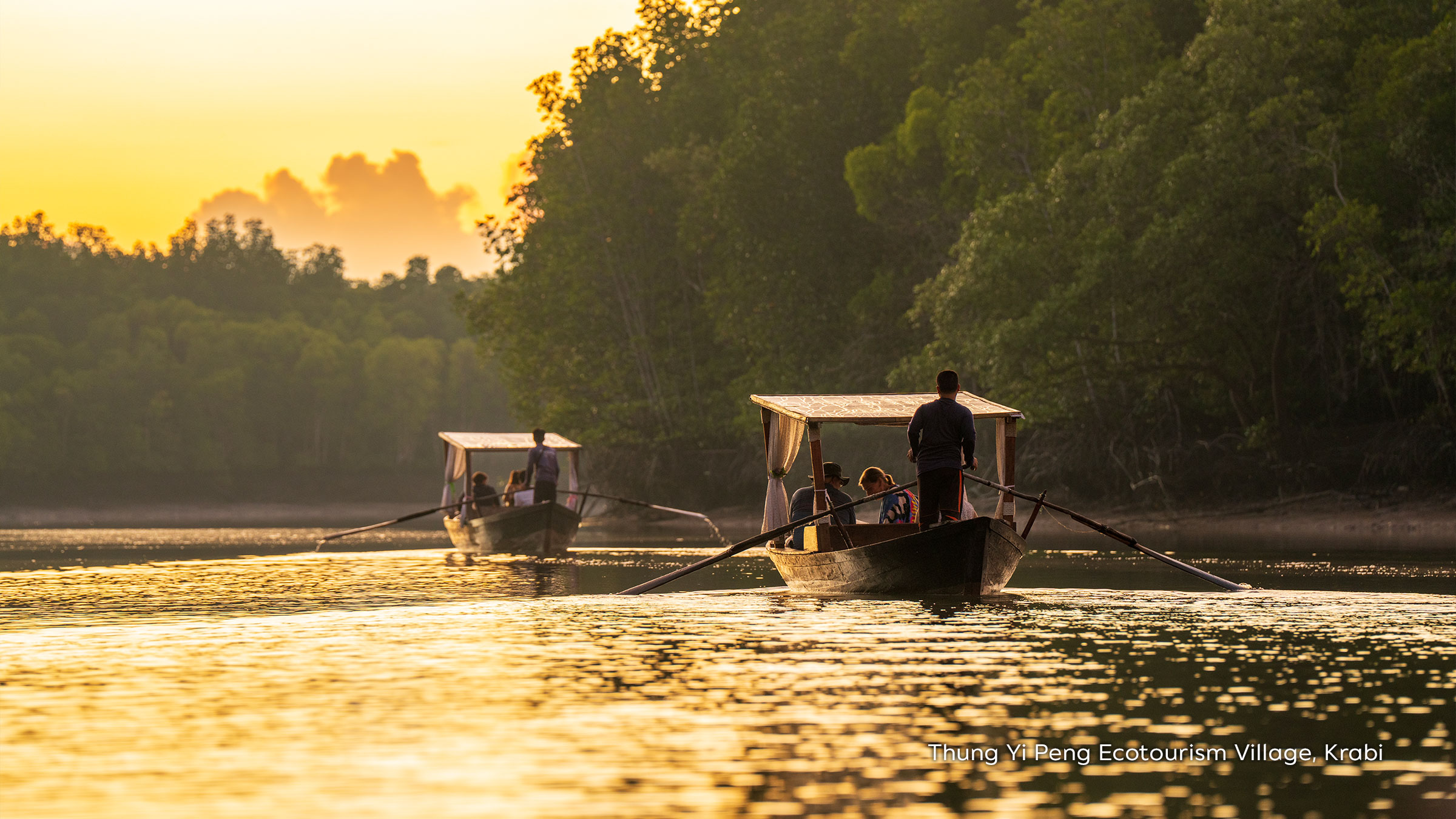
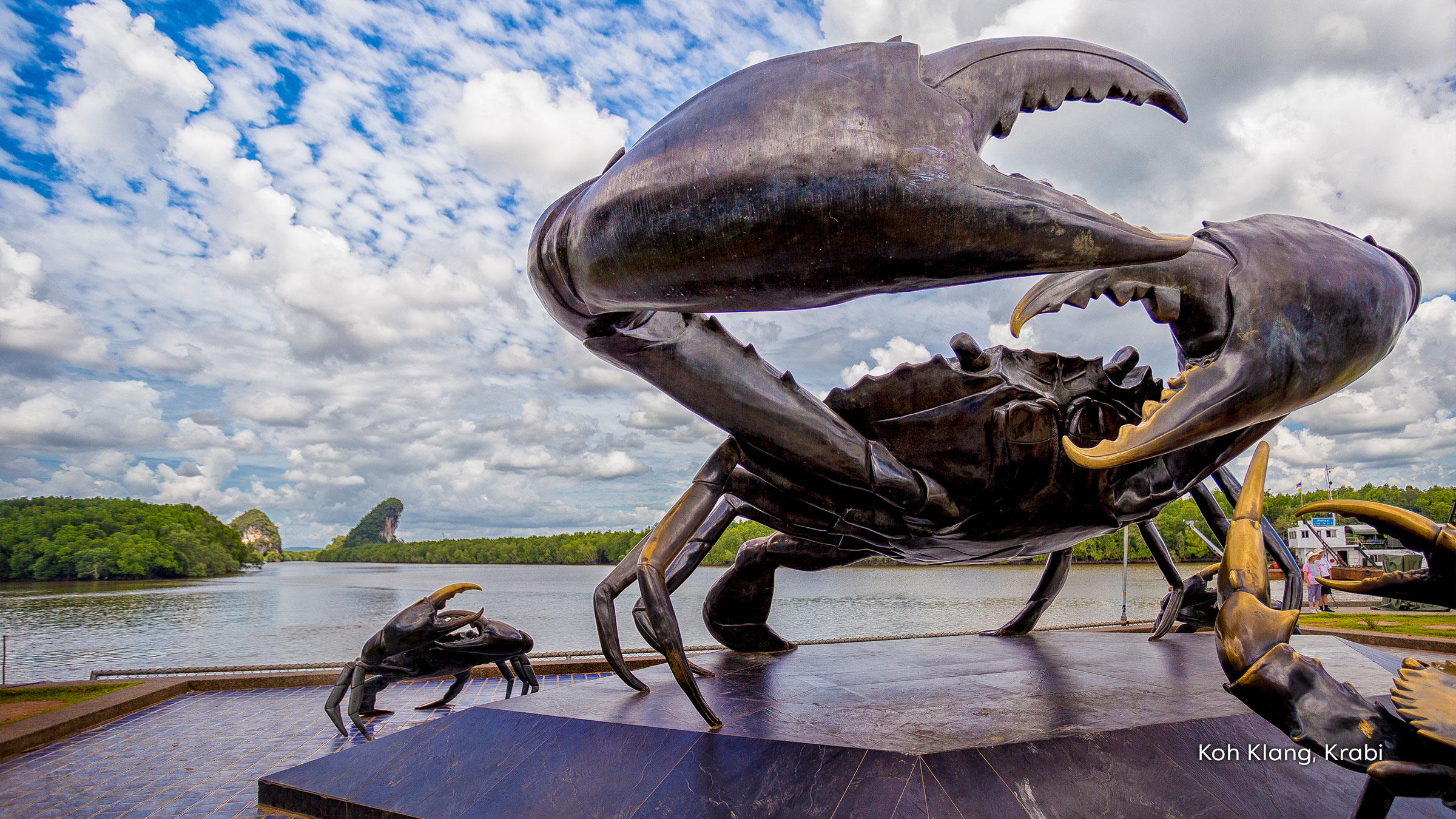
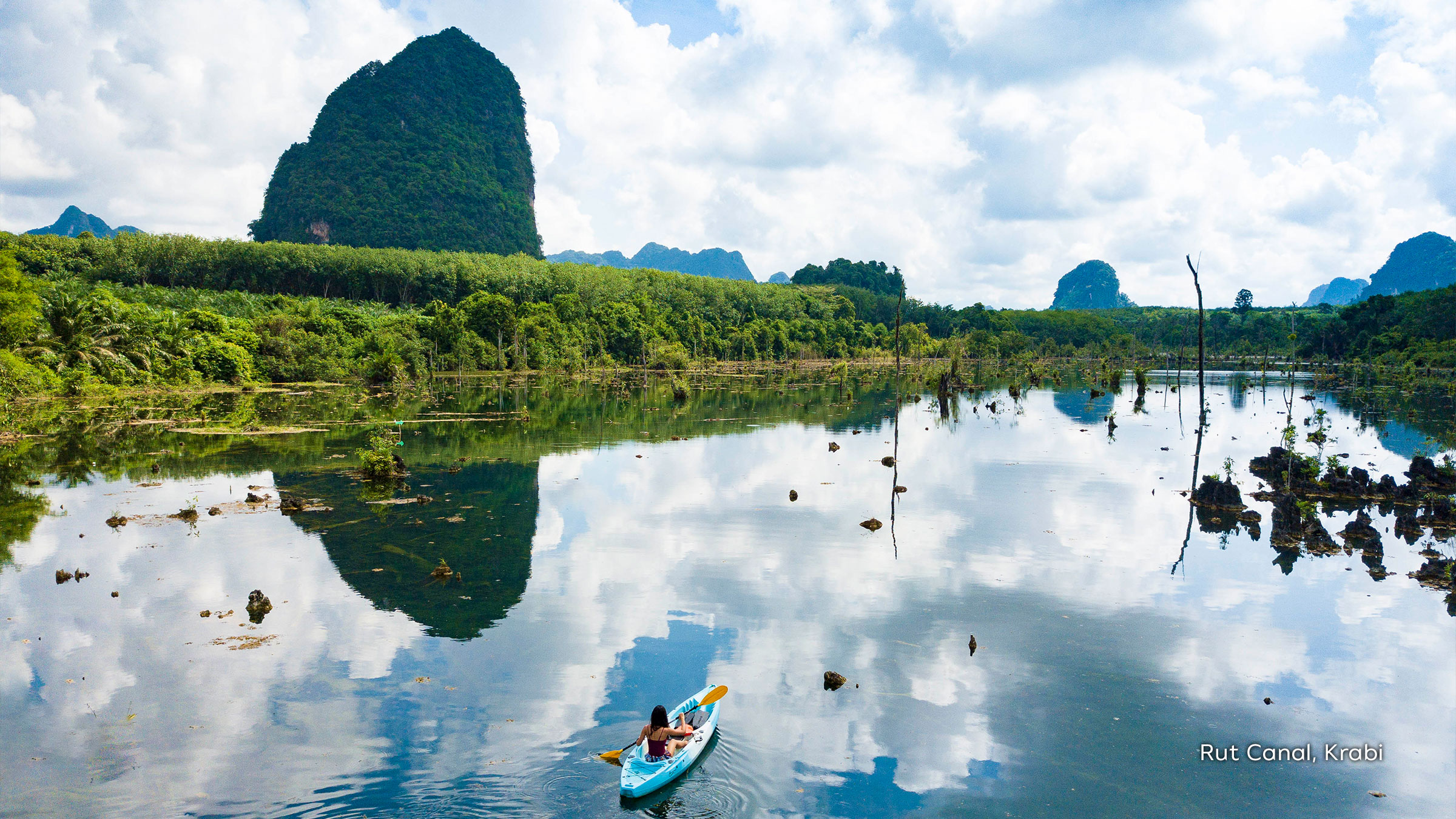
Visitors wanting to experience the Krabi Prototype first-hand can follow several low-impact routes shaped by this approach. A morning at Khlong Thom Hot Springs pairs mineral-rich soaking pools with forest surroundings, a natural counterpart to any spa treatment. In Ban Thung Yee Peng, guided mangrove tours led by local community members combine gentle kayaking with lessons on coastal ecology and carbon-absorbing forest systems. Near Ko Ngai, small-scale marine conservation programs let travellers join reef monitoring or coral restoration efforts instead of simply passing by. Fishing villages like Laem Sak and Ko Klang open their communities for slow, immersive visits built around local seafood, traditional weaving, and boat-based sightseeing rather than mass-market excursions. Even Krabi’s famous limestone karsts, at Railay and beyond, are increasingly explored through eco-certified operators applying low-carbon practices to climbing and boat tours.
Taken together, these routes suggest a rather different kind of trip to Krabi: fewer crowded checklists, more time spent with the people and ecosystems that make the province worth visiting in the first place. TAT hopes travellers will come to expect this approach nationwide. For now, though, Krabi remains the prototype, a place proving that a lighter footprint and a more meaningful journey aren’t a compromise. They may be the new definition of luxury itself.
About the Author
“Frequent foodie and occasional craftsman of travel stories, Chattan Kunjara Na Ayudhya (Chat) draws on his nearly 4 decades of promoting Thailand’s tourism industry to highlight everything from world-class attractions to hidden gems. When not writing stuff, he makes it a mission to catch rom-coms and DC superheroes whenever they show up in theaters.”