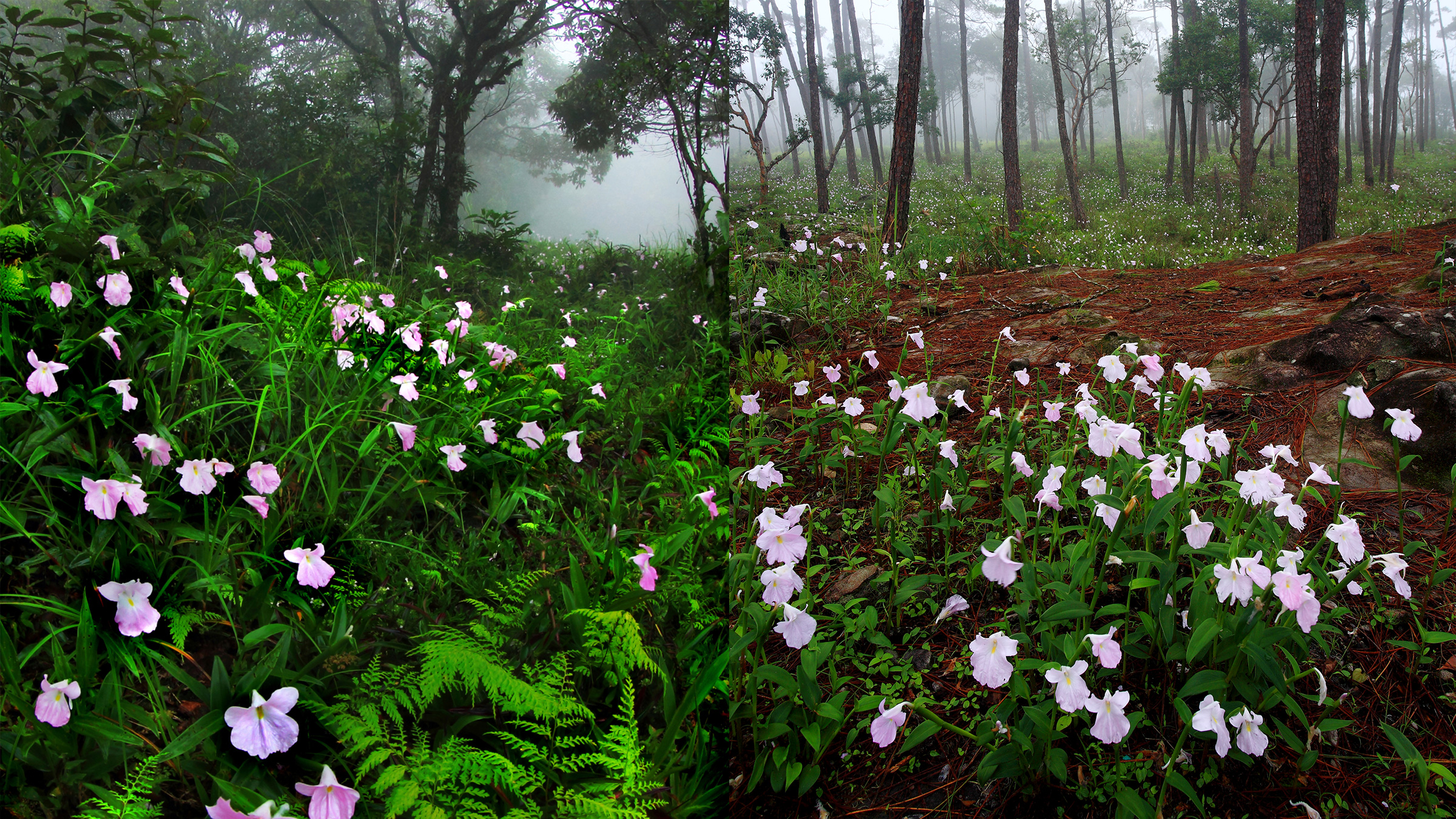


Isan is on the verge of a horticultural moment. The Udon Thani International Horticultural Expo runs for 134 days, from 1 November 2026 to 14 March 2027, at the Nong Dae wetland. The site is about 15 minutes from Udon Thani International Airport and the railway station. Its local symbols include the white-winged duck, centella, dendrobium orchids, and traditional Isan streamer flags. It is the first international horticultural expo of its kind in Thailand’s Northeast. Because it runs deep into the cool season, Udon Thani works well as a base for loops into the surrounding countryside, before or after your visit.
Route One: The Lotus Loop (south)
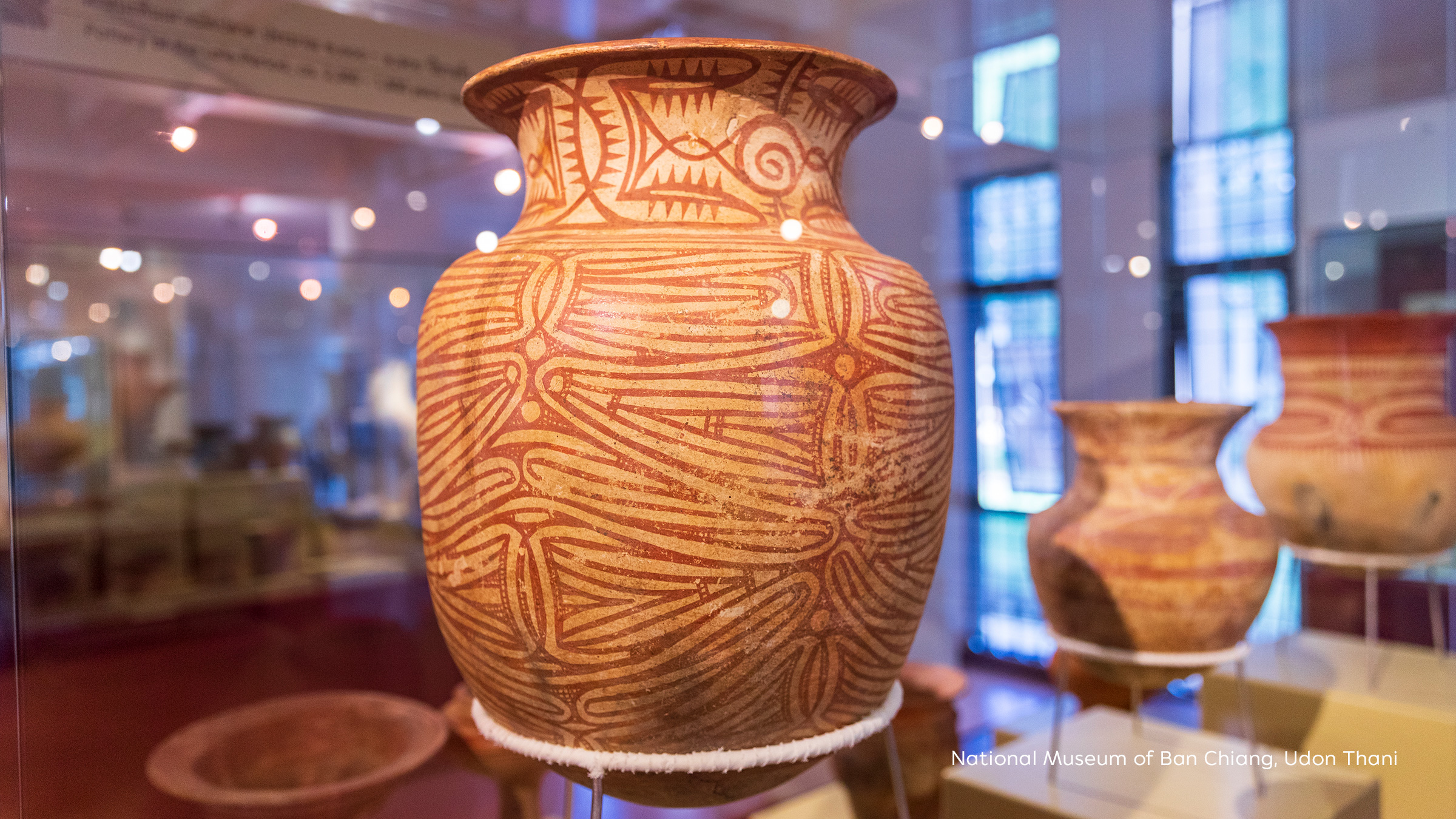
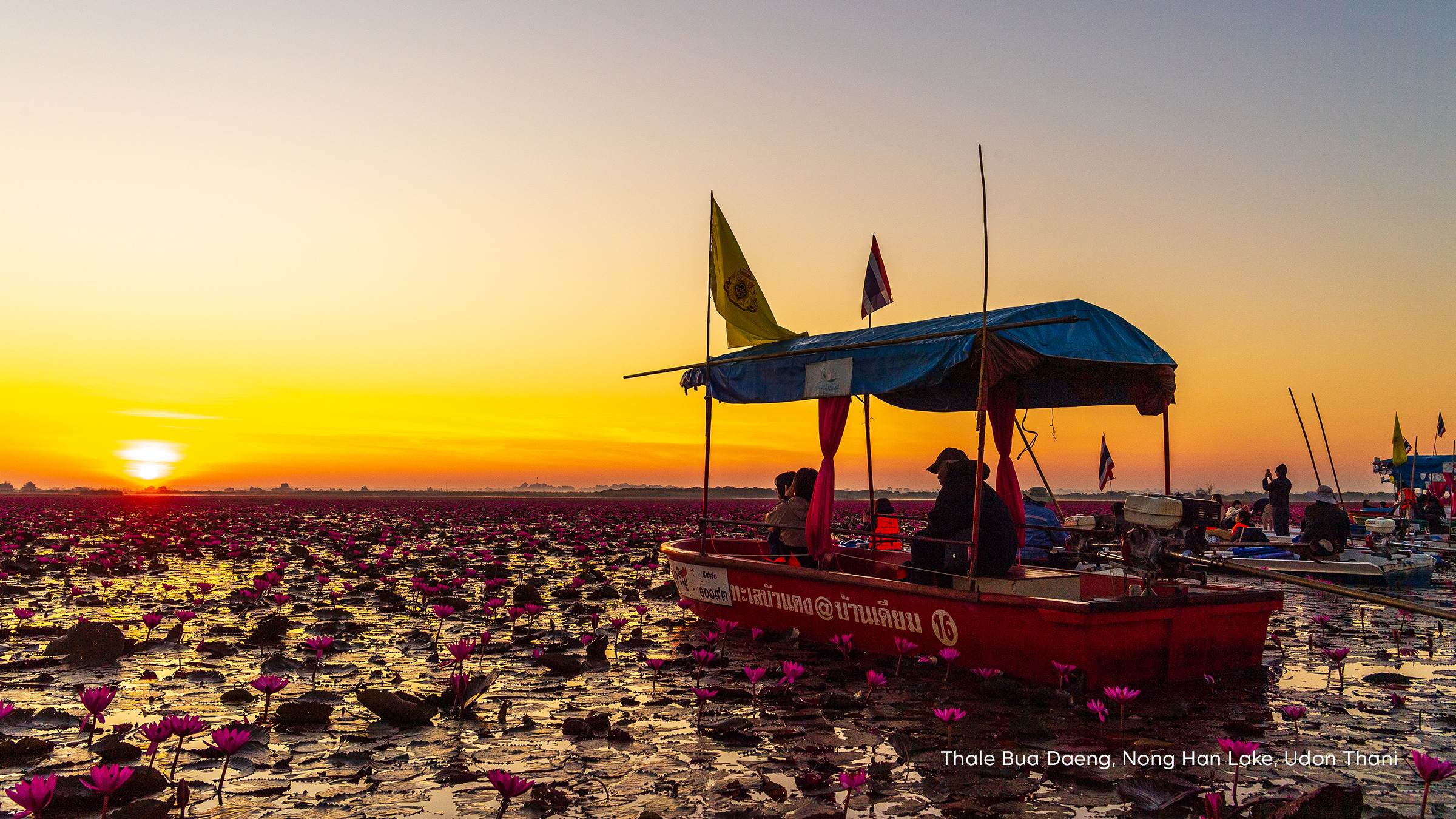
Nong Han Kumphawapi, known locally as Talay Bua Daeng, the Red Lotus Sea, lies roughly 50 kilometres from Udon Thani. Be realistic about timing. Some sources start the season in November, but the province officially launched last year’s season on 15 December, and it recommends mid-January to mid-February as the peak. Early November may bring patchy colour, so this stop suits the end of an Expo trip better than the start. Go early: the flowers are fully open from about 6:00 to 11:00 a.m. and close as the sun strengthens. The blooms are technically water lilies, not true lotuses. Pair the lake with a separate day at Ban Chiang, the UNESCO World Heritage Site where a Bronze Age burial and pottery site is preserved.
Route Two: Stones and Sculptures (northwest to Nong Khai)
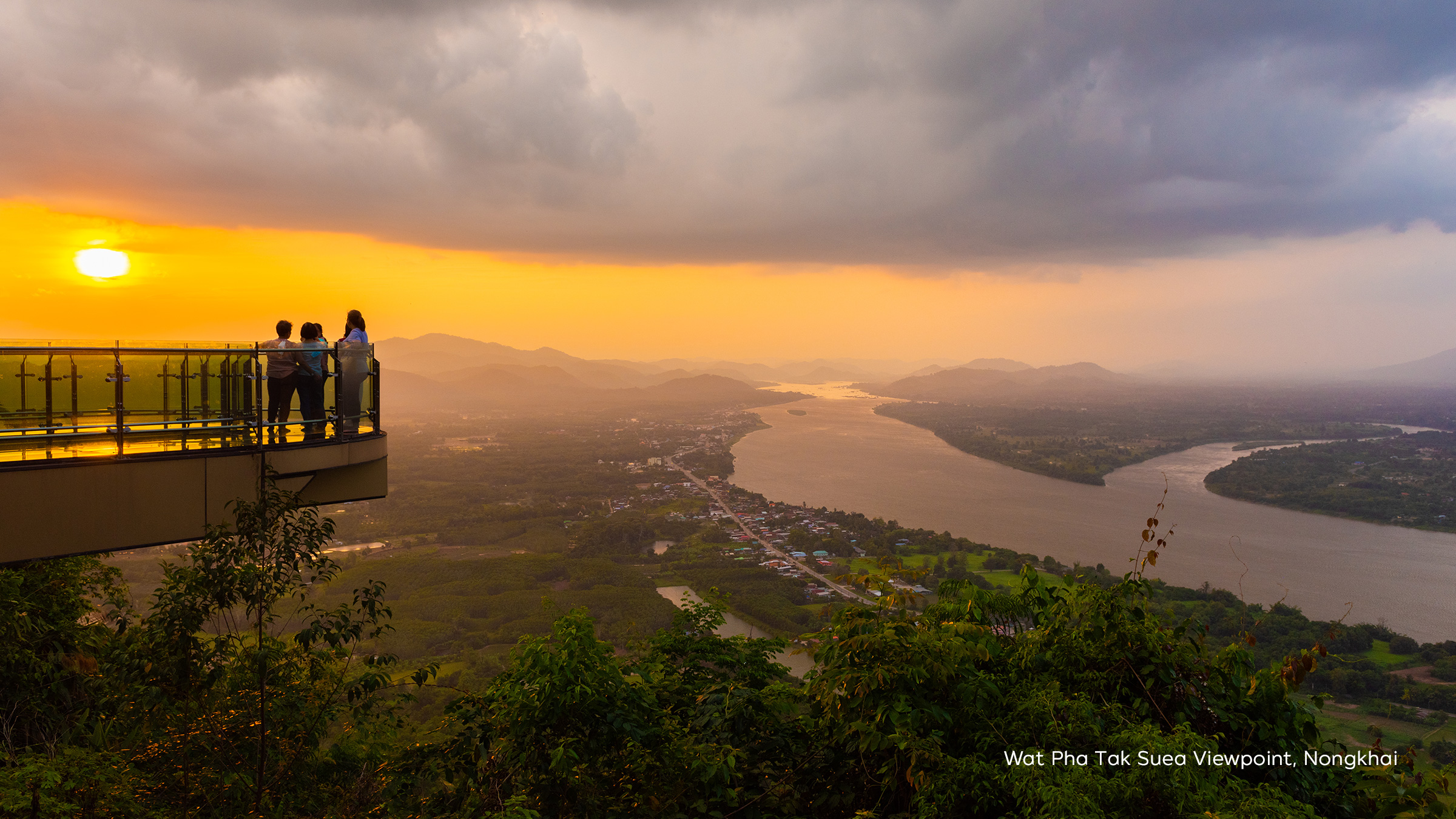
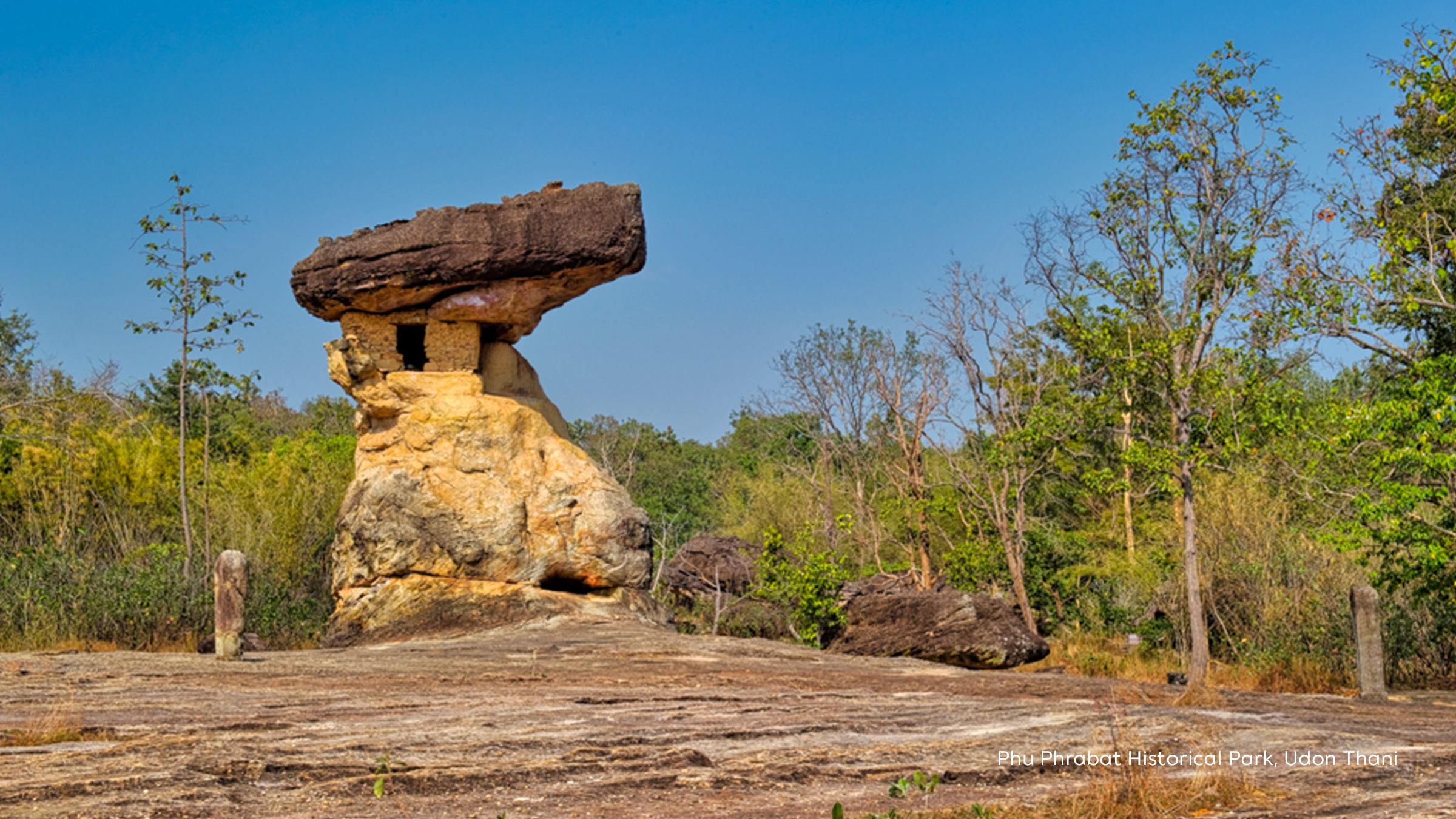
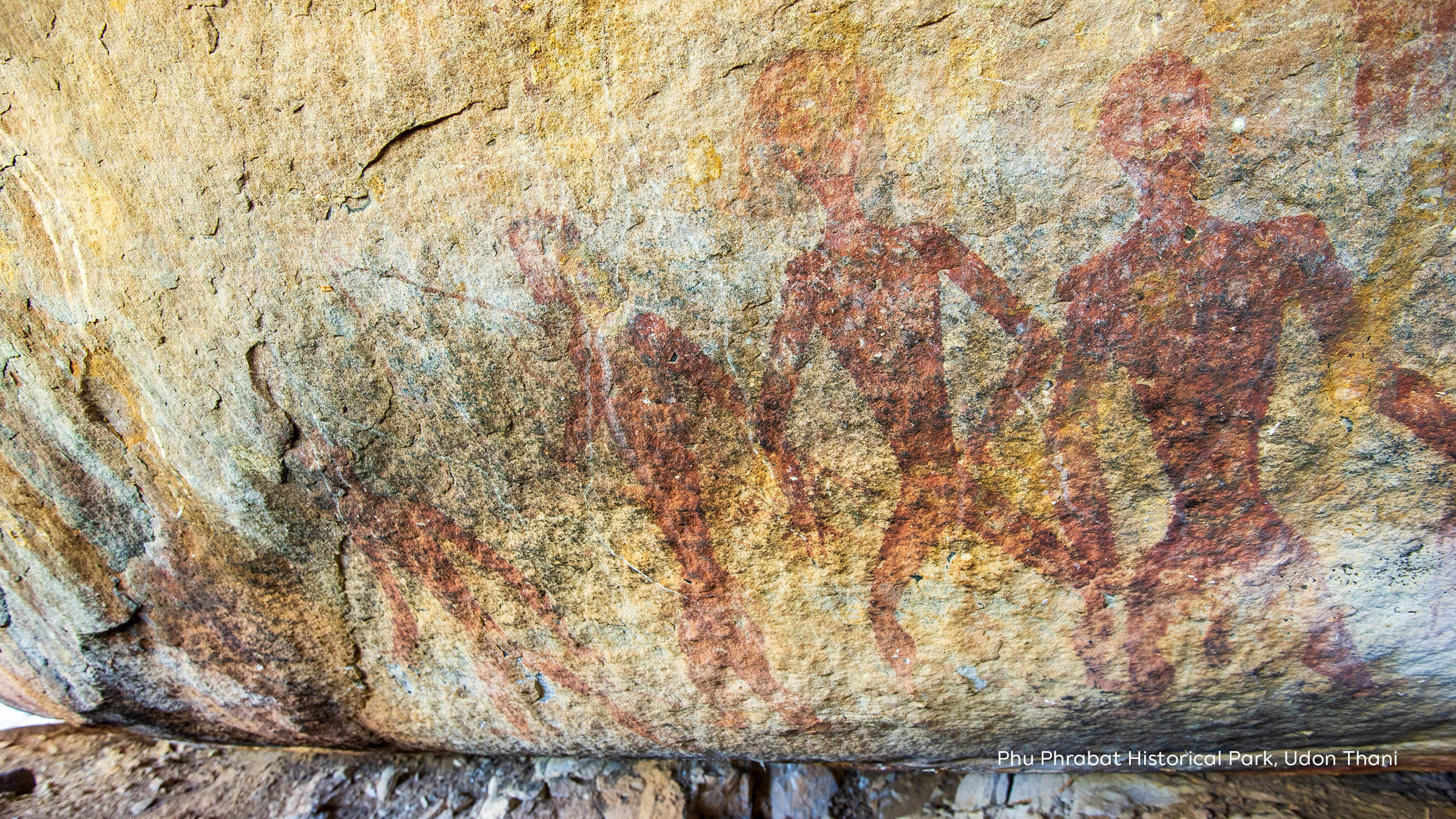
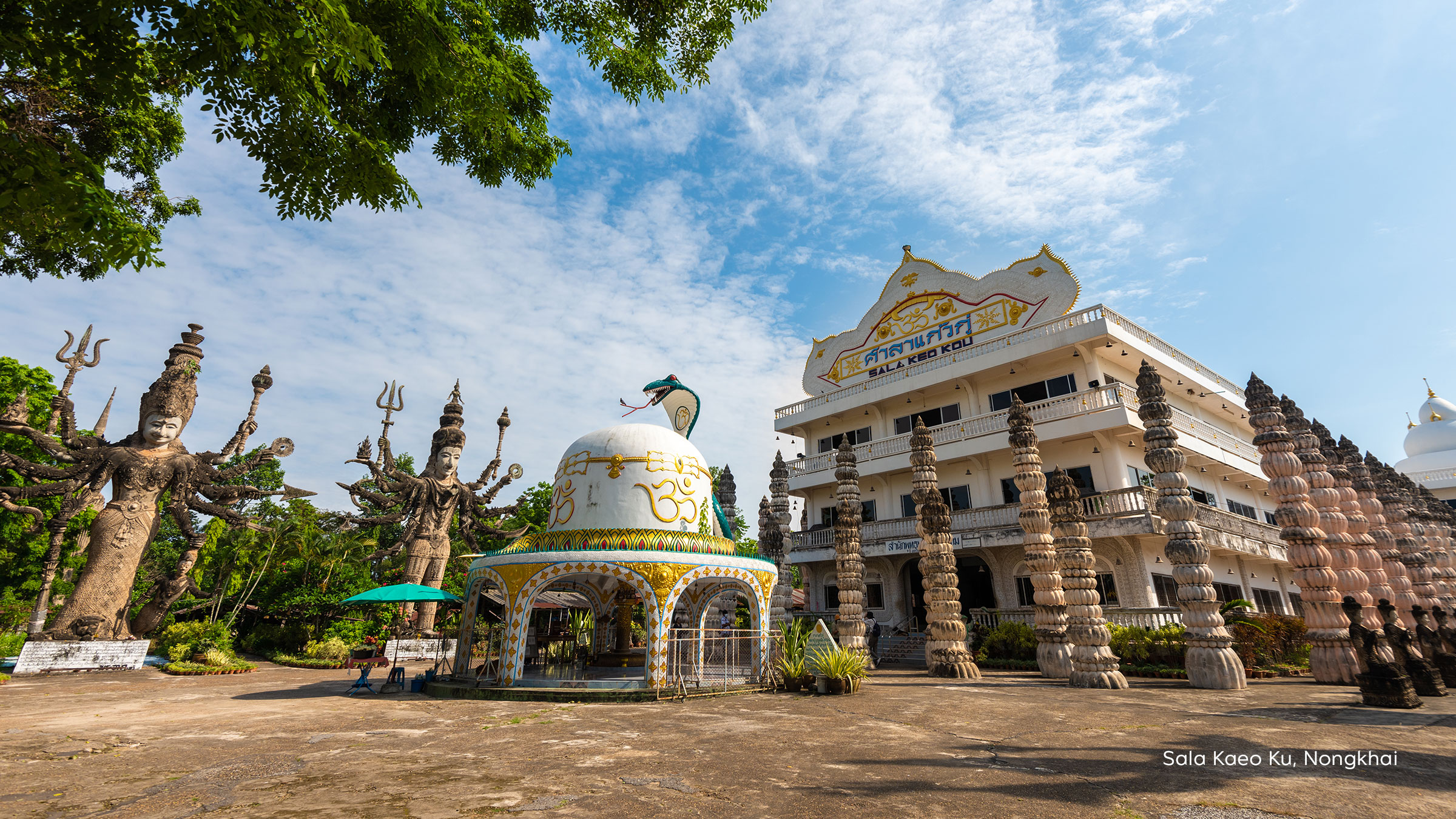
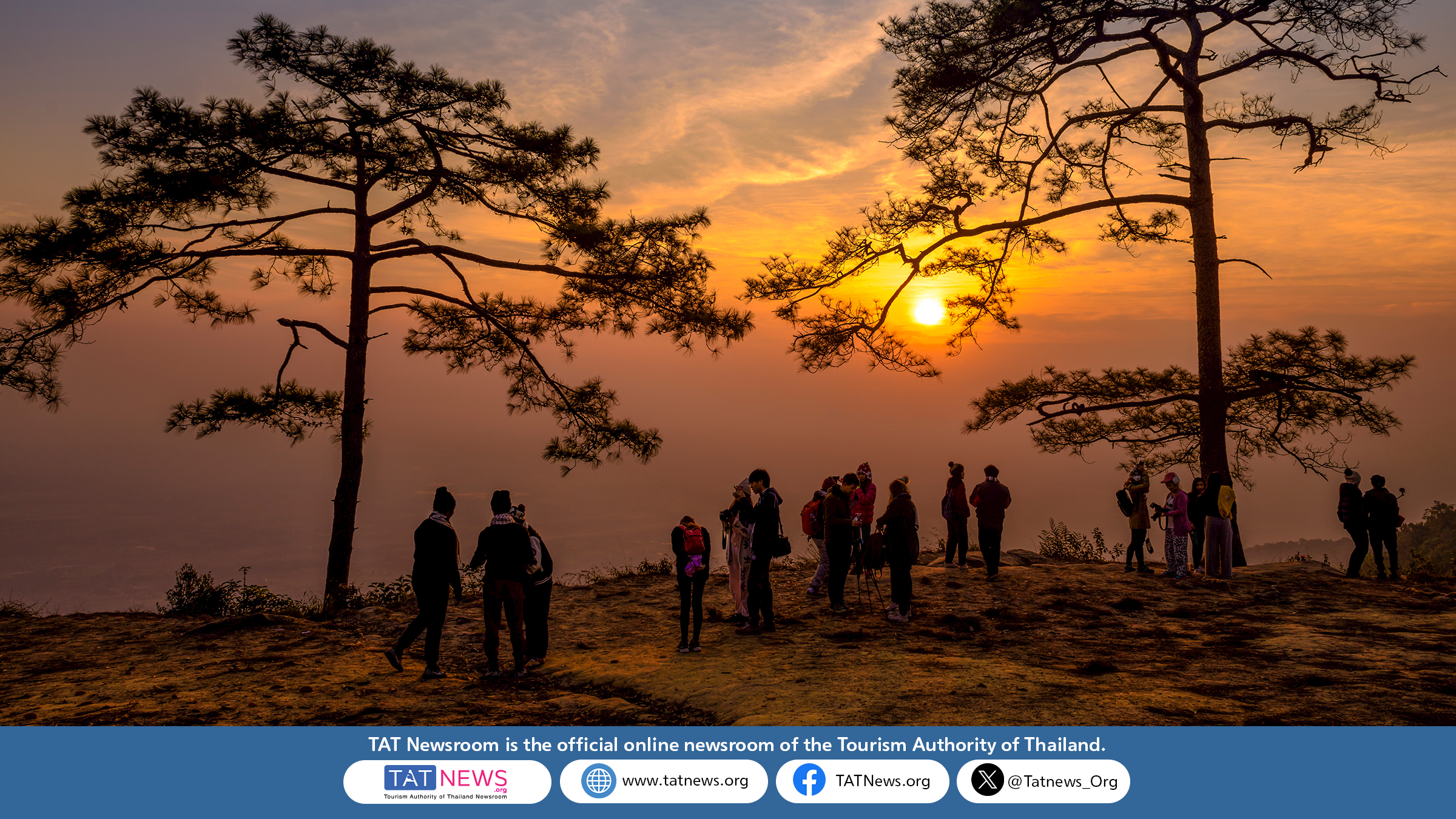
This is the easiest route to run in either direction. Phu Phra Bat is about 67 km from Udon Thani, roughly an hour by car, with no direct public transport. It opens daily from 08:30 to 16:30, and foreigners pay 100 baht to enter. UNESCO inscribed it as a World Heritage site, and erosion has shaped its sandstone into pillars, caves, and overhangs. The park sits in the Phu Phan hills, about 65 km from both Udon Thani and Nong Khai. Continue to Nong Khai and the Sala Kaeo Ku sculpture park, a garden of huge concrete sculptures inspired by Buddhism and Hinduism, then finish with sunset on the Mekong. Reverse the order to end back in Udon Thani.
Route Three: Into the Hills (west to Loei)
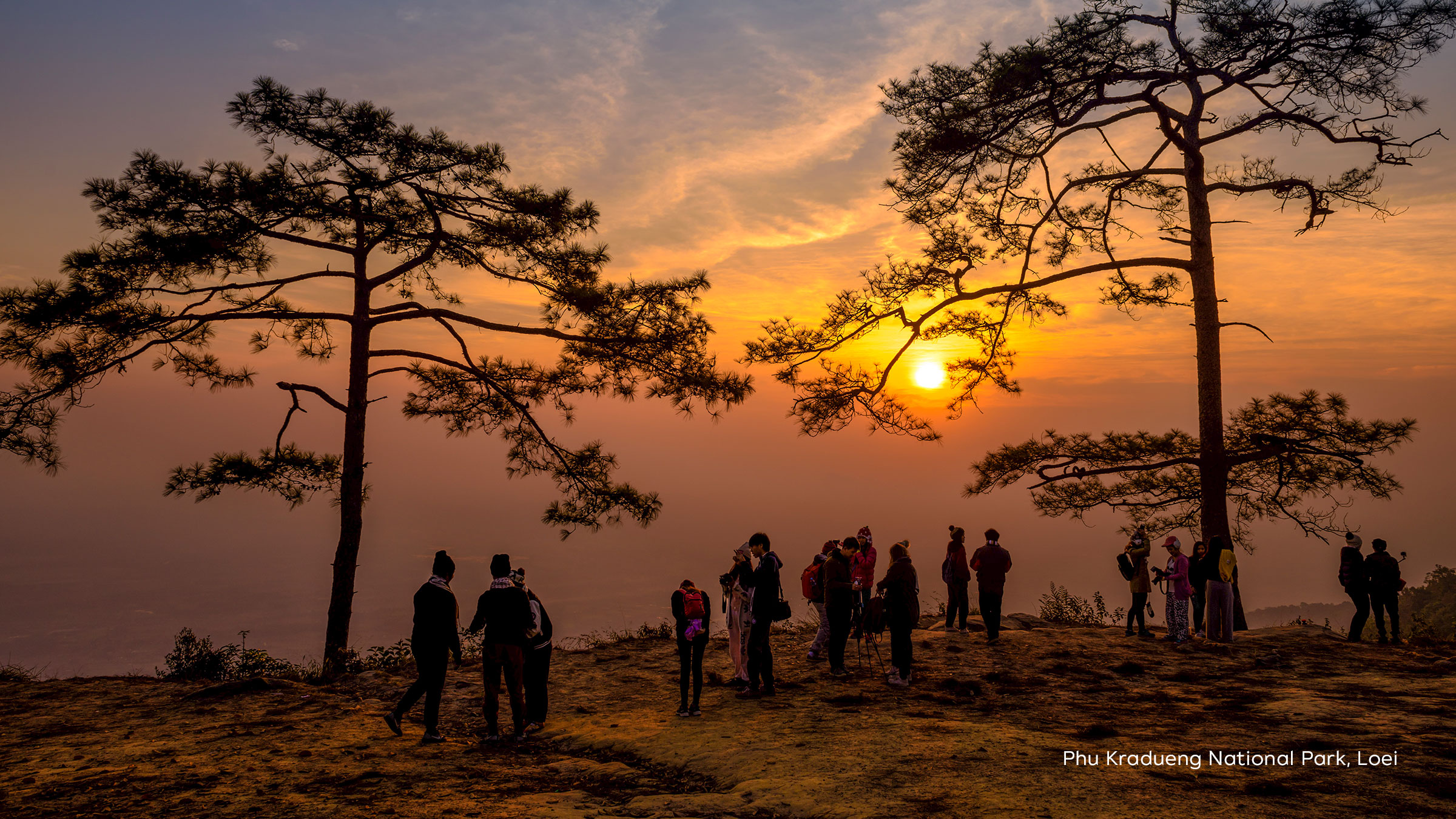
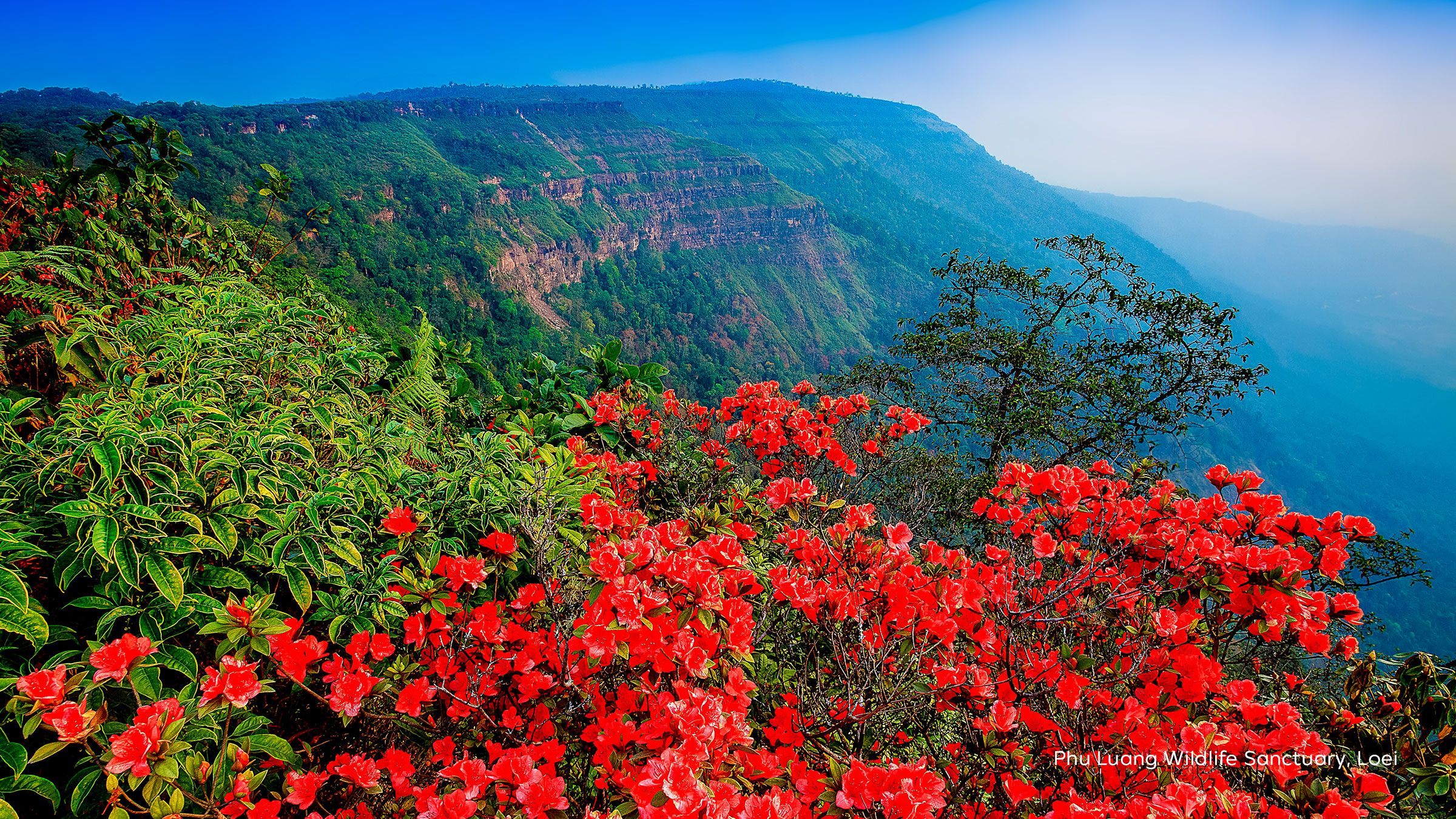
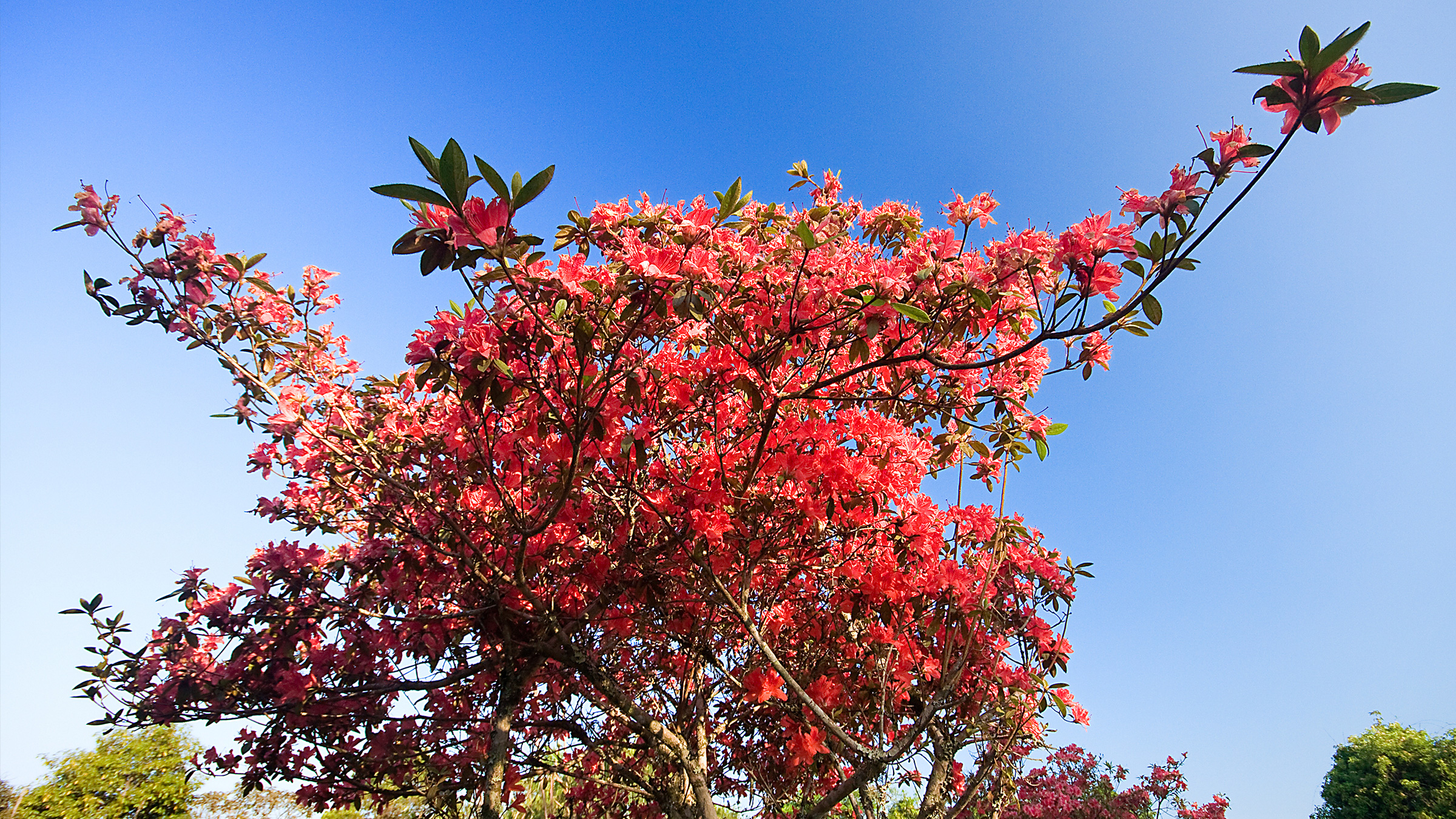
This is a longer trip, so plan an overnight stop. Phu Kradueng National Park closes for the rainy season from 1 June to 30 September, so November is early in its reopening season. The weather is cool and breezy from November to February. Nearby, Phu Luang Wildlife Sanctuary sees winter temperatures of 0–16°C from November to January, and dendrobiums, white wild orchids, and rhododendrons bloom there.
What Plant Enthusiasts Should Look For
Water lilies. Nong Han’s pink carpet is the headline act. Remember, peak season comes after the Expo opens.
Centella. Look at the forest park’s name: Phu Phra Bat Buabok. Bua bok is the Thai name for centella, the same plant the Expo uses as a local symbol. It is a small creeping herb of damp ground, easy to overlook until you know how to look.
Dendrobium orchids. Another Expo emblem. In the wild, Phu Kradueng’s plateau has 12 Dendrobium species, mostly growing as epiphytes. Flowering varies by species, so ask rangers what opens that week.
Bladderworts. These tiny carnivorous Utricularia are the quiet stars of the season’s end. Wildflowers in sandy rock woodland, including net-veined bladderwort, two-flower bladderwort and pipewort, bloom from October to late November. That account describes Ubon Ratchathani, but the same sandstone habitat runs through Isan. Thip Kesorn, Utricularia minutissima, is a 5–12 cm annual herb recorded on Phu Kradueng and Phu Luang. The window is closing, so go early in the month.
A caution on Siam tulips. They are a rainy-season show: Chaiyaphum’s bloom runs from late June through early August. November visitors should chase orchids and bladderworts instead.
Planning Notes
November mornings are cool, but afternoons are still warm, so pack layers. Hire a car or driver for Phu Phra Bat and the lake, since public transport is thin. For the Expo itself, check the official channels for ticketing and opening hours. Use the lotus season as your reason to come back or stay until January.
About the Author
“Frequent foodie and occasional craftsman of travel stories, Chattan Kunjara Na Ayudhya (Chat) draws on his nearly 4 decades of promoting Thailand’s tourism industry to highlight everything from world-class attractions to hidden gems. When not writing stuff, he makes it a mission to catch rom-coms and DC superheroes whenever they show up in theaters.”