

Thailand has long been sold as a beach-and-temple destination, but a quieter revolution is unfolding on its back roads. Increasingly, travellers are trading resort pools for rooftop tents, and organized tours for the open highway, chasing misty mountain passes, national park canopies, and a night sky undimmed by city lights.
The Loop That Started It All
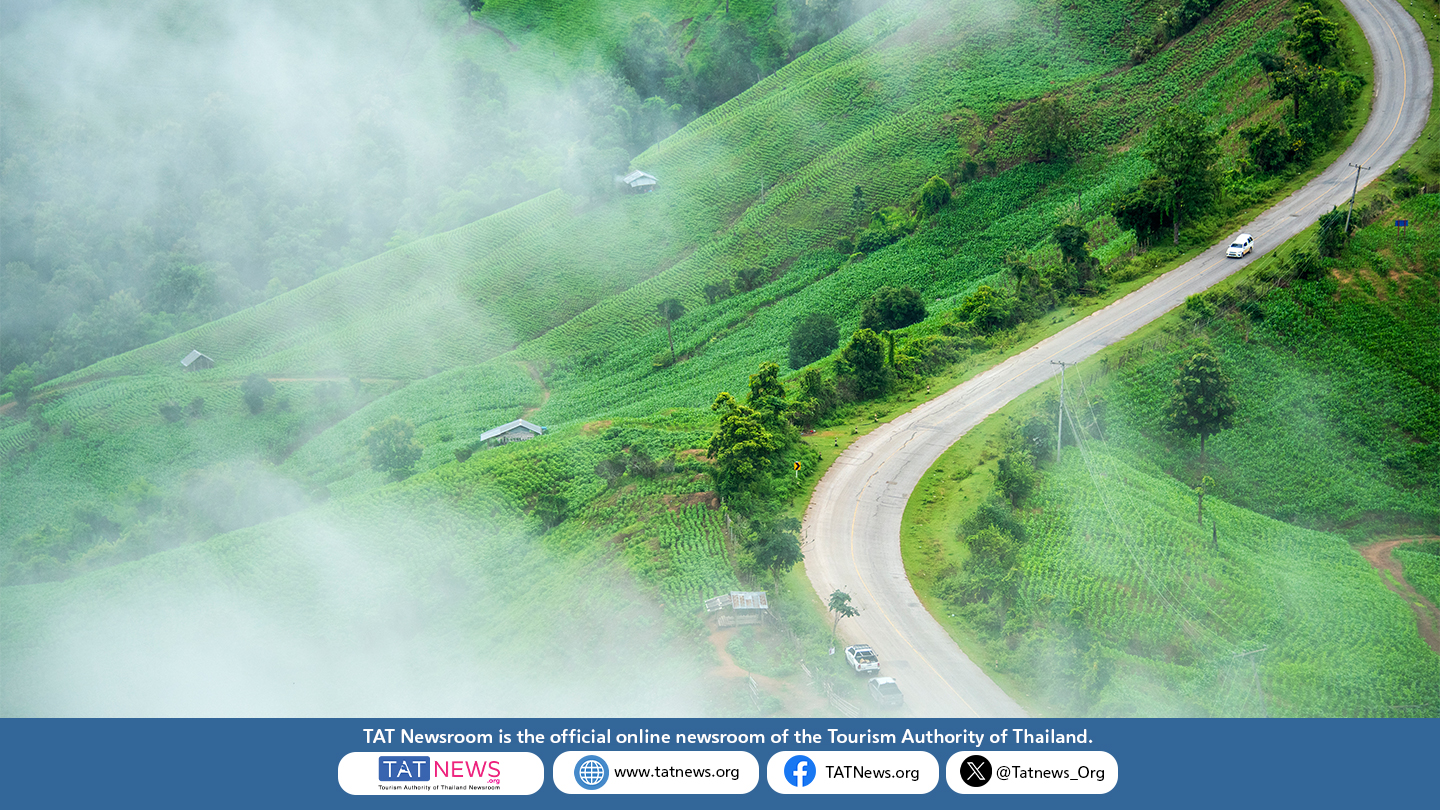
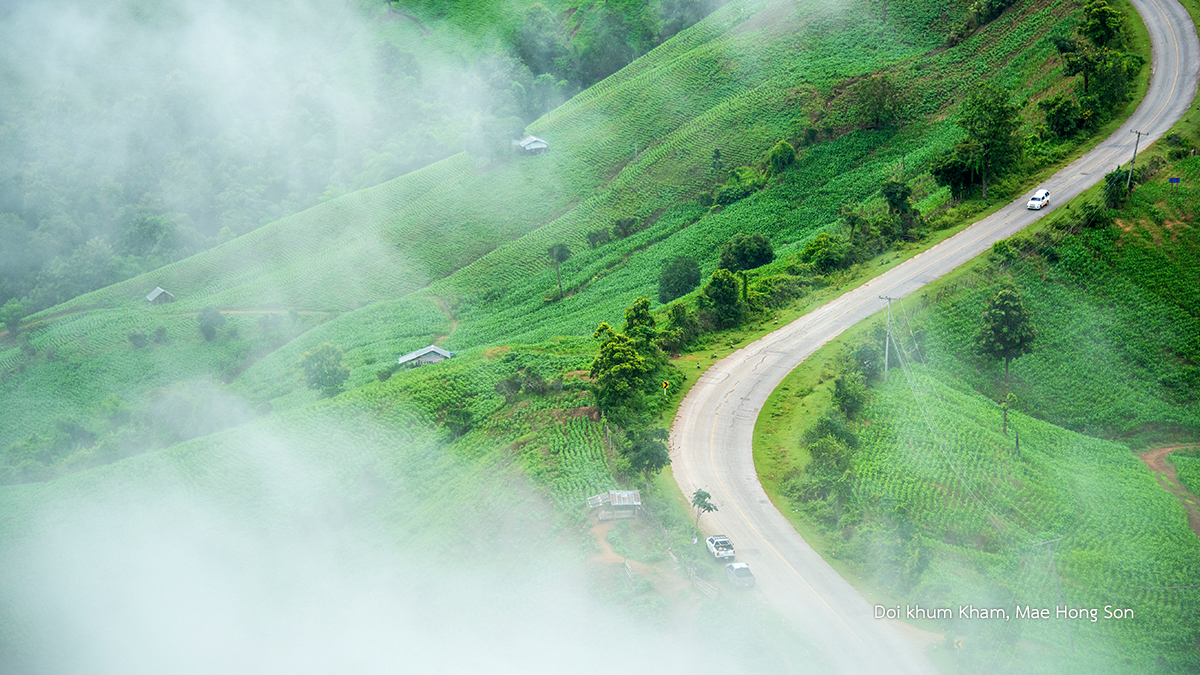
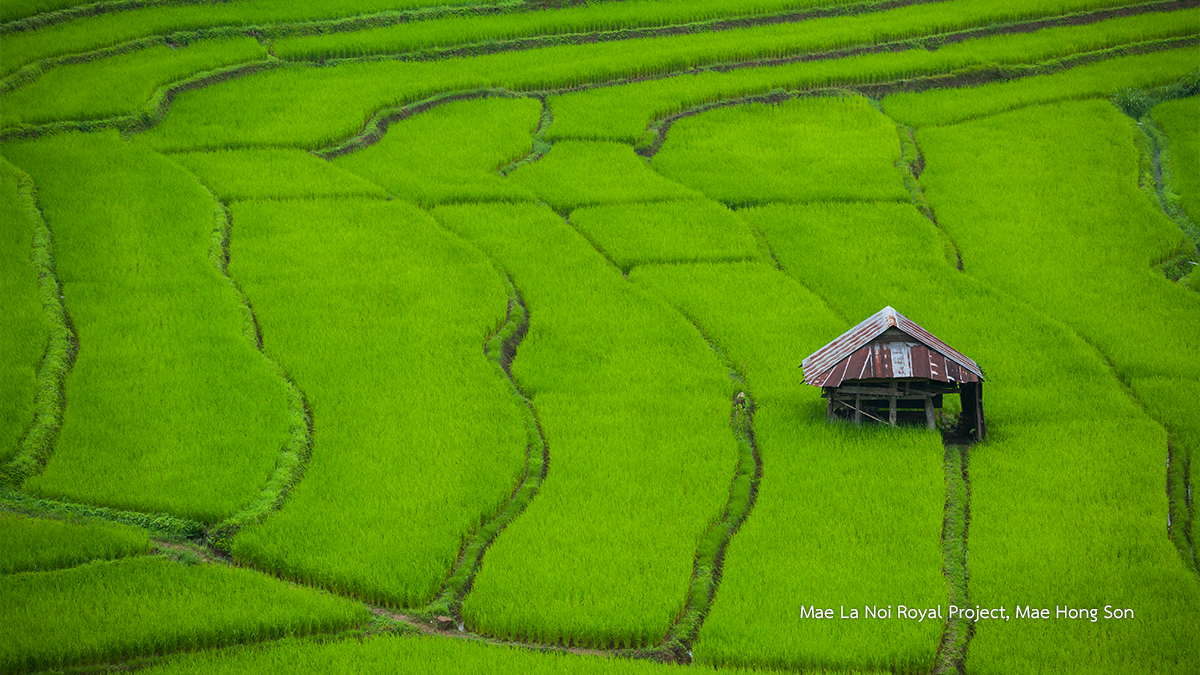
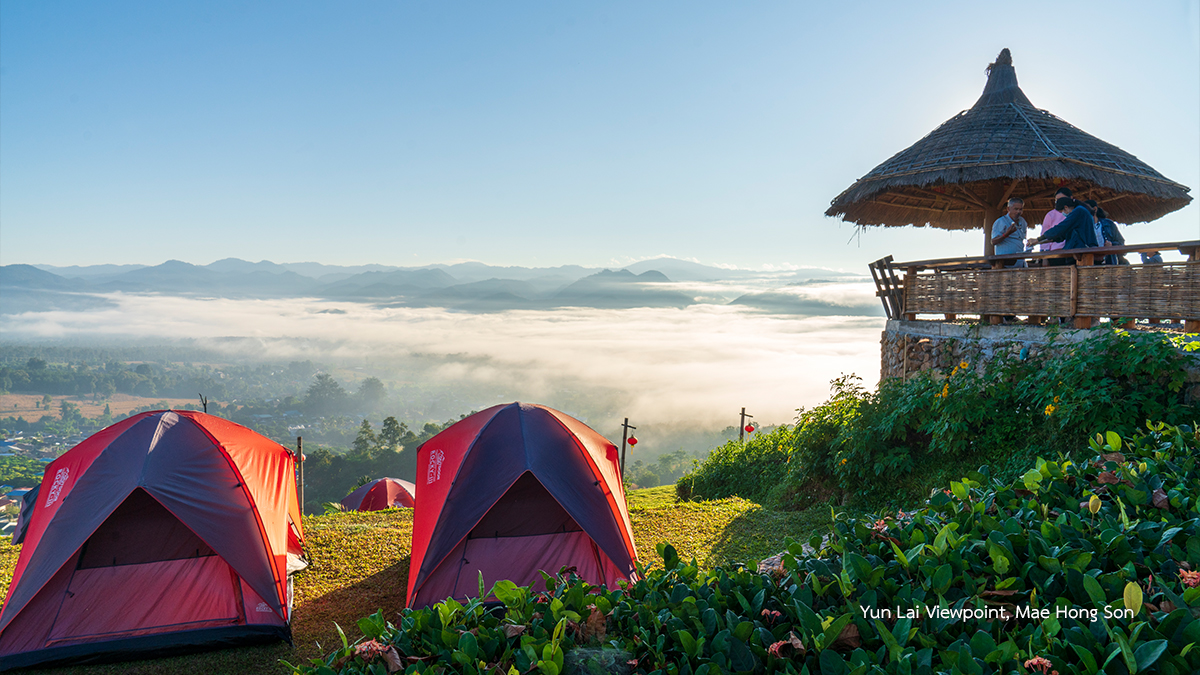
Ask any road-tripper in Thailand where to begin, and the answer is almost always the Mae Hong Son Loop — a roughly 600-kilometre circuit out of Chiang Mai that threads through more than a thousand curves, rice-terraced valleys, and Shan-influenced hill towns. Riders and drivers typically break the loop into three or four days, stopping in Pai for its laid-back café culture, continuing to Mae Hong Son town for temple views over the fog-filled valley, and looping back through Mae Sariang. It remains the gold standard for scenic Thai driving: a route wild enough to feel remote but dotted with just enough guesthouses and noodle stalls to make it approachable.
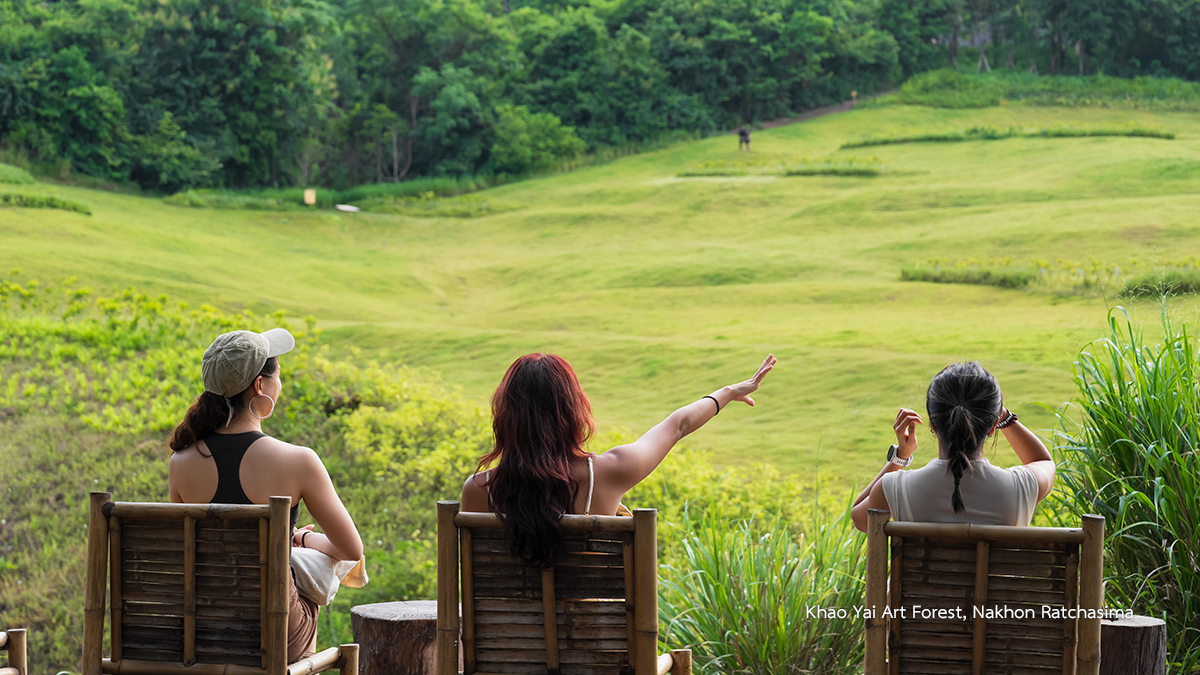
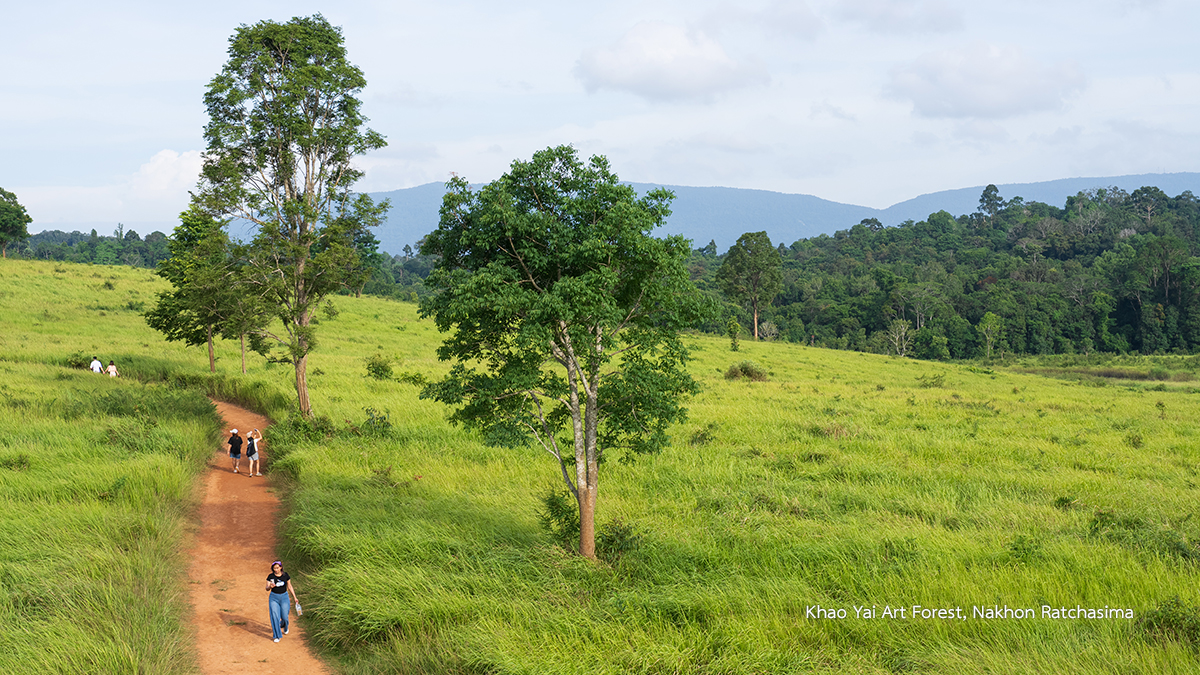
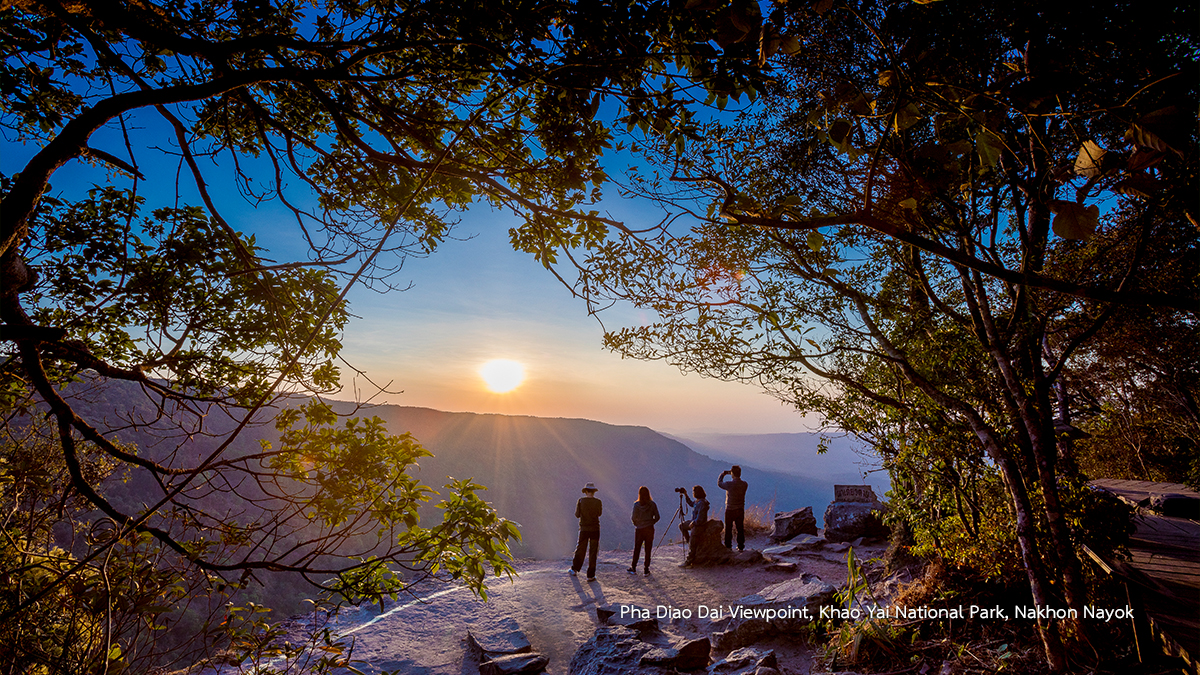
Further south, the Khao Yai region has become the country’s glamping epicentre. Barely three hours from Bangkok, Khao Yai National Park — a UNESCO World Heritage Forest complex home to wild elephants, hornbills, and gibbons — has drawn a wave of vineyards, farms, and boutique campgrounds along its approach roads. Drivers heading up from the capital can string together a loop through PB Valley’s wine terraces, roadside dairy farms, and the park’s own scenic drive, before rolling into camp for the night.
Glamping Goes Mainstream
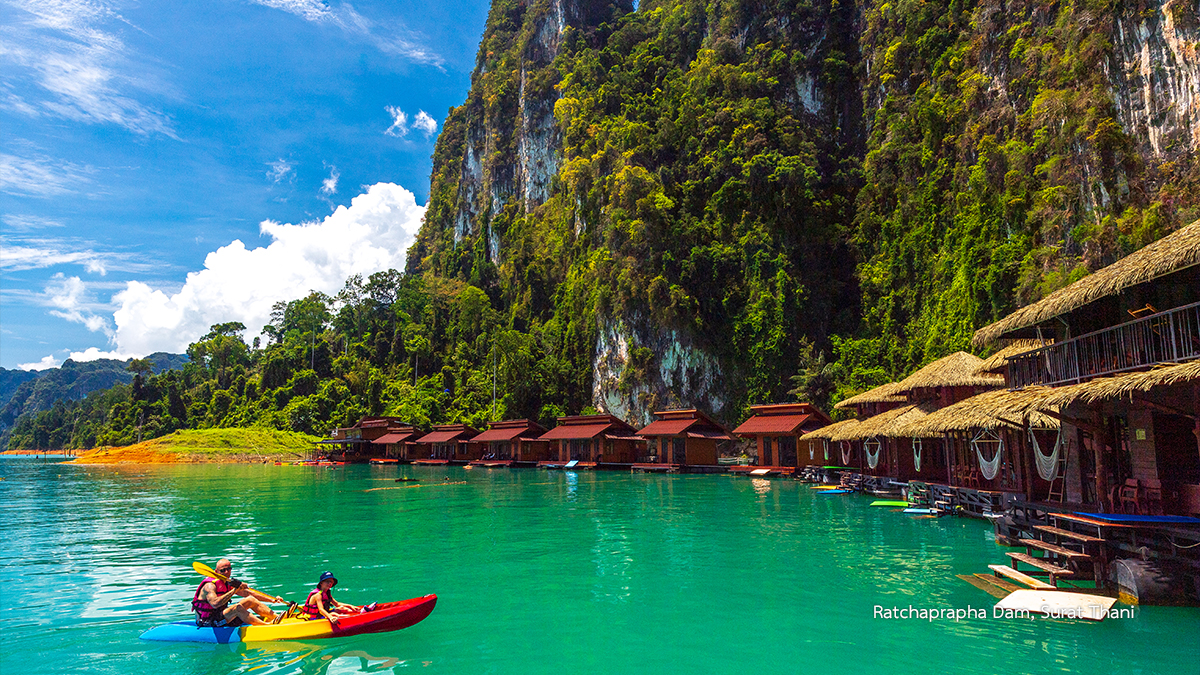
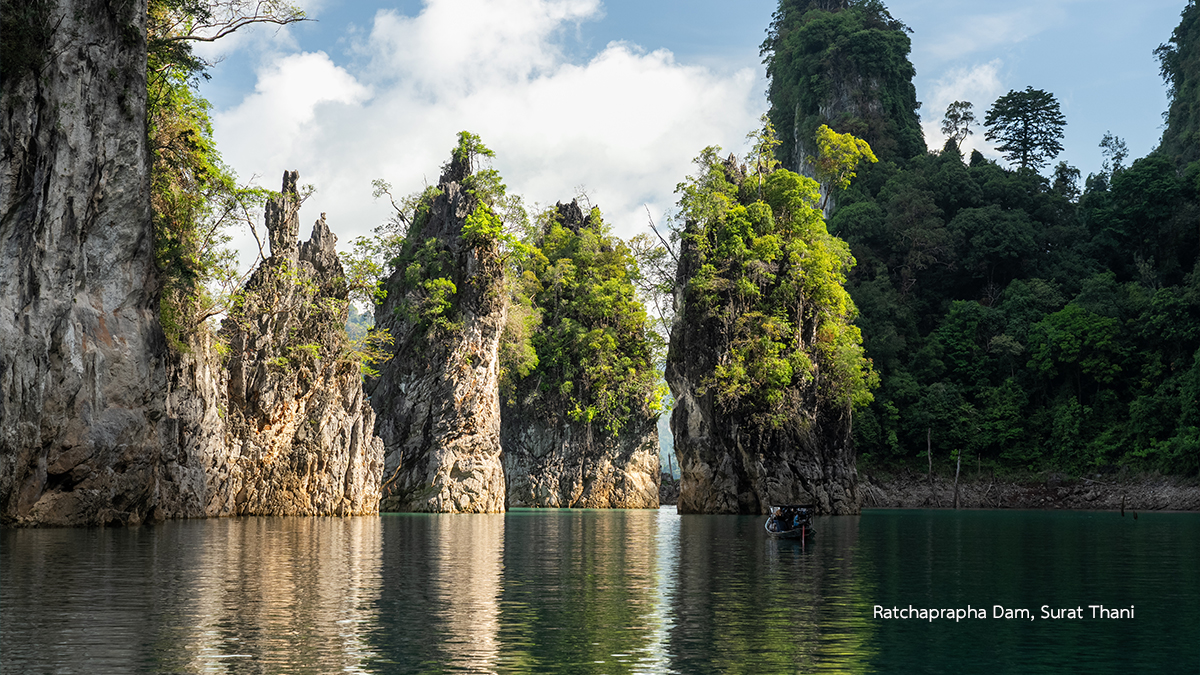
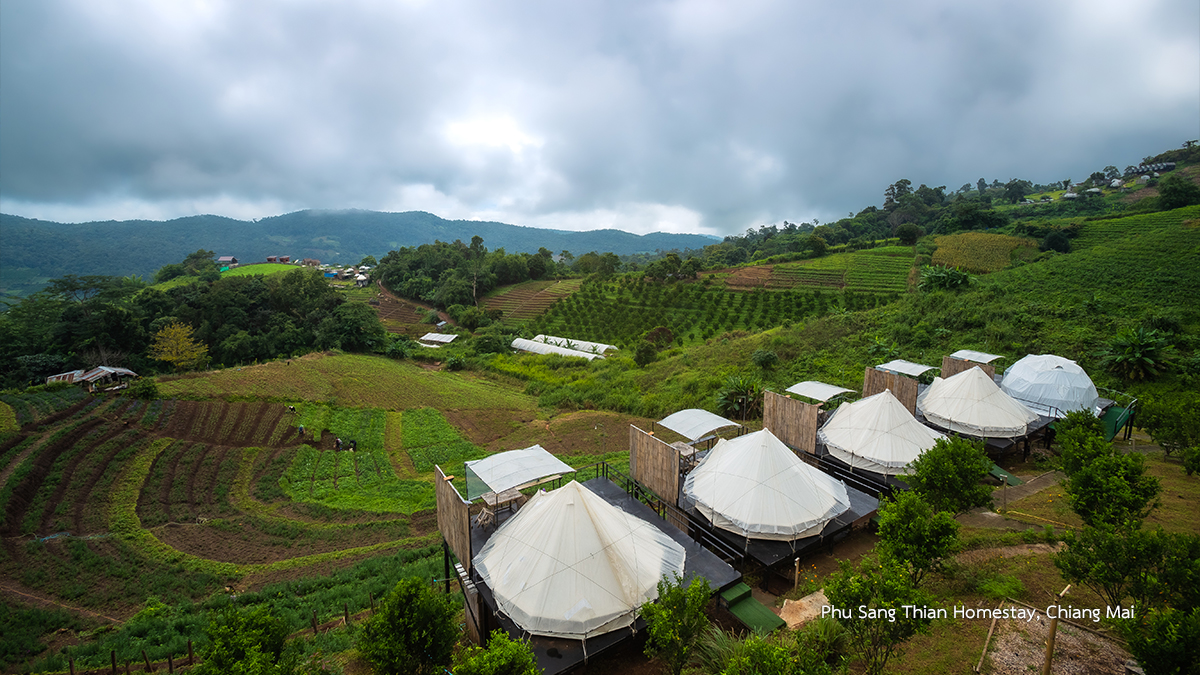
What used to mean a tarp and a sleeping bag now often means a canvas-walled suite with a real bed. Around Khao Yai alone, operators such as The Wild Khao Yai and SOL Glamping at Khao Yai have built out forest-facing tents, tentalows, and even vintage-style caravans, complete with firepits, breakfast service, and mountain views — glamping aimed squarely at families and couples who want the atmosphere of the outdoors without giving up a hot shower. Further afield, Khao Sok National Park has its own cluster of jungle camps built on stilts over its limestone-studded lake, while Chiang Rai and Chiang Mai have seen a rise in tented camps positioned as base camps for hill treks and coffee-farm visits rather than standalone attractions. Camping in Thailand has never been more appealing.
This shift mirrors a broader pattern across the region: outdoor, nature-based stays are no longer a niche interest but a genuine growth category, appealing especially to travellers who want a break from crowded city itineraries without sacrificing comfort.
Sustainability Enters the Conversation
Thailand’s tourism authorities have started treating this outdoor shift as a strategic opportunity rather than a side trend. Thailand’s post-pandemic tourism landscape has leaned into sustainable and wellness travel, particularly among long-haul visitors from the Middle East and Asia, who are increasingly interested in natural attractions and cultural experiences. The Tourism Authority of Thailand (TAT) has backed that shift with concrete tools: it launched TravelGreenThailand.com, a platform highlighting eco-friendly destinations, community-based tourism programs, and tips for preserving the country’s natural environment while benefiting local communities. A parallel “Zero Carbon” mobile application has also been introduced to help tourists and operators work toward net-zero emissions by 2027.
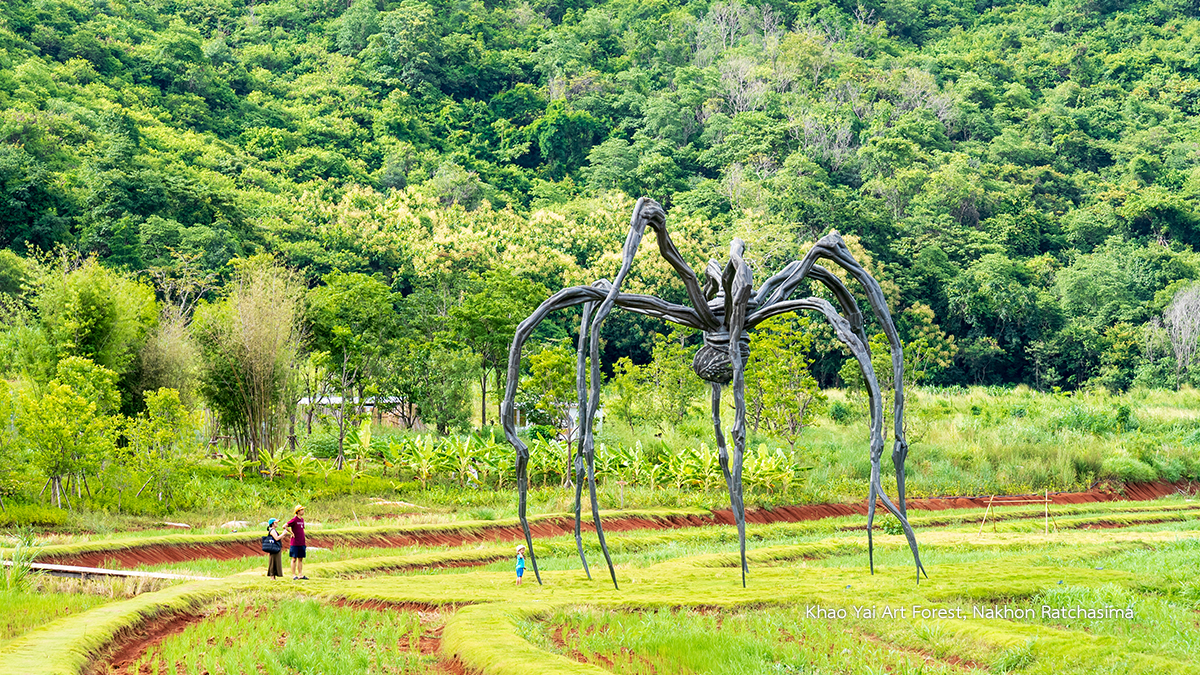
That framing extends to marquee attractions like Khao Yai Art Forest, a sculpture park and retreat inside the national park’s buffer zone that has become a magnet for travellers pairing art, forest trekking, and low-impact camping in a single visit — part of a broader push by TAT to fold “Sustainability & Green Destinations” into its promotional storytelling rather than treating it as an afterthought.
Planning Your Own Route
For first timers, the easiest entry point is a self-drive weekend to Khao Yai, combining a farm-to-table lunch, a wildlife-spotting drive through the park, and a night under canvas. Those with more time — and an appetite for hairpin turns — should carve out four or five days for the Mae Hong Son Loop, ideally in the cool season between November and February, when the mountain air is crisp, and the fog settles low over the valleys at dawn.
Whichever route travellers choose, the through line is the same: Thailand’s roads are increasingly the destination, not just the way to get there.
About the Author
“Frequent foodie and occasional craftsman of travel stories, Chattan Kunjara Na Ayudhya (Chat) draws on his nearly 4 decades of promoting Thailand’s tourism industry to highlight everything from world-class attractions to hidden gems. When not writing stuff, he makes it a mission to catch rom-coms and DC superheroes whenever they show up in theaters.”